
Choosing Your Heating
Finding the Right Home Heating System for Your House
Panel heaters, gas, wood fires, split systems, ducted – there are plenty of ways to warm a house, and each suits a different home and budget. Choosing a home heating system comes down to a few questions: how many rooms you need to heat, how long you run it each day, what energy you have access to and whether you also want cooling.
This page compares the main options side by side so you can see where each one fits. Greenarmy Services installs reverse-cycle split systems and ducted reverse-cycle systems, which heat and cool from one unit. We do not install gas, hydronic, panel or wood heaters, but we will give you an honest view on whether reverse-cycle is the right fit for your home.
Options Compared
Heating Options Compared: Split, Ducted, Gas, Panel and Wood
Each type of heating has strengths and trade-offs. Here is how the common options stack up for a typical home:
| Option | Best for | Things to weigh up |
|---|---|---|
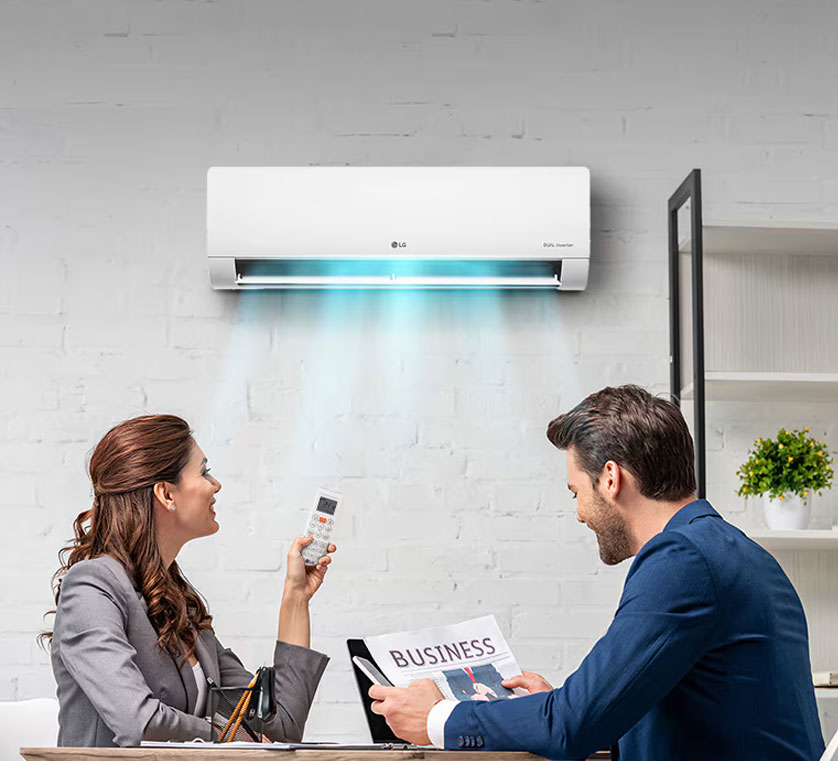
| Reverse-cycle split | Heating one to three rooms, with cooling too | One indoor unit per room; heats the room it is in |
| Ducted reverse-cycle | Whole-home heating and cooling with zones | Higher upfront cost; needs suitable roof space |
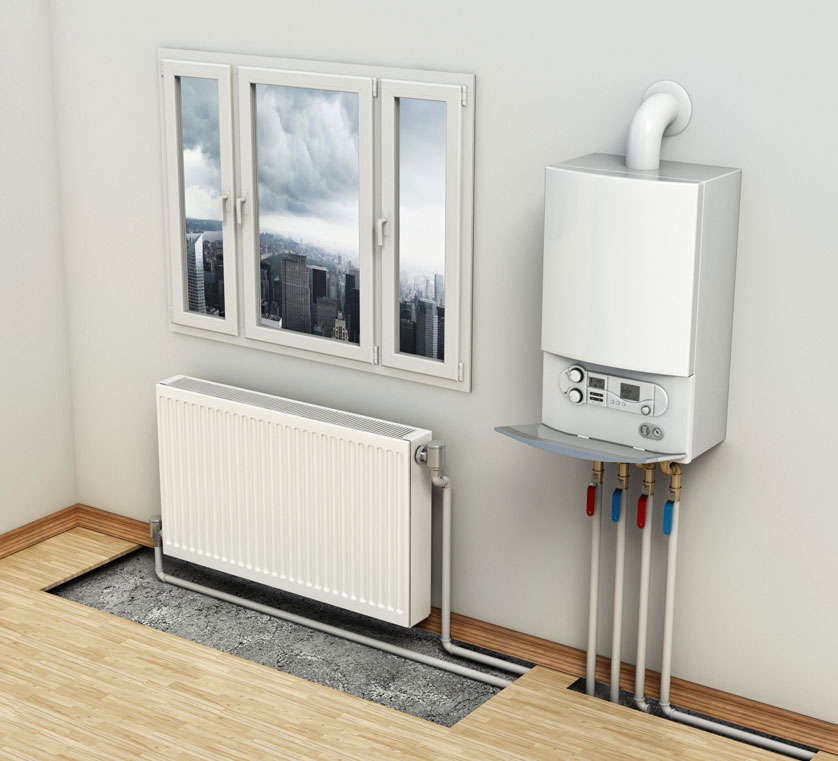
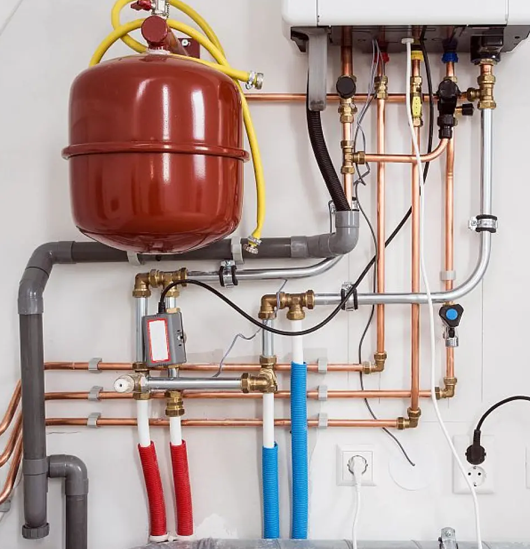
| Gas ducted or gas space heater | Homes already connected to gas | Heating only; gas supply, flue and safety servicing |
| Electric panel or oil heater | Occasional use in a small room | Cheap to buy but costly to run for long periods |
| Wood heater | Ambience and backup warmth | Firewood, smoke, flue cleaning and neighbours |
For most Perth households, reverse-cycle gives the best balance of running cost, comfort and convenience, which is why it is what we install. Read more on our heating system installation page.
Who Each Option Suits
Split System or Ducted: Which Reverse-Cycle Option Suits You?
Once you have settled on reverse-cycle, the next choice is between individual split systems and a ducted system. As a quick guide:
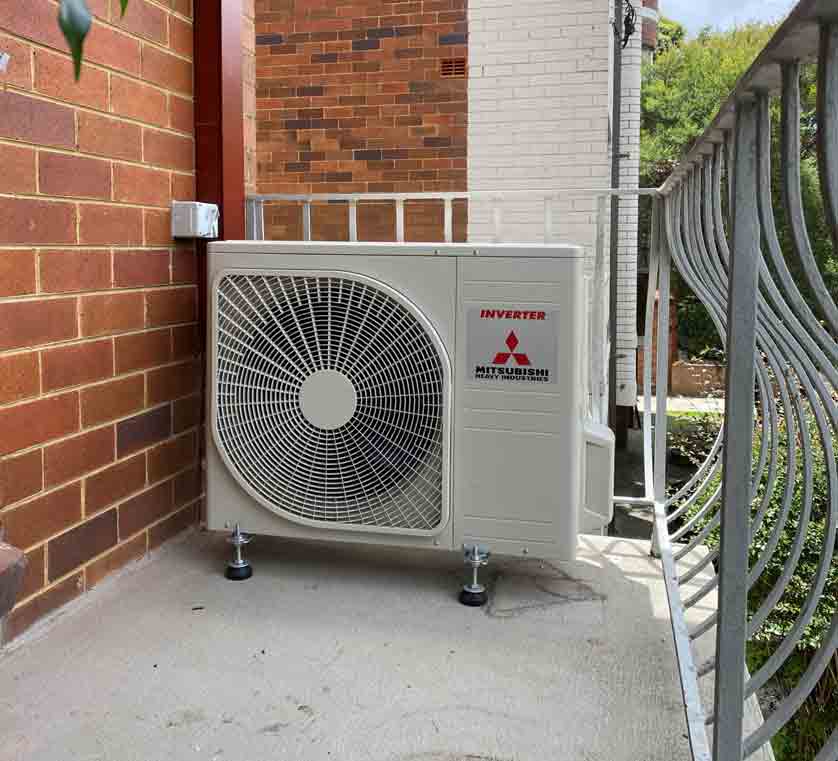
- Choose a split system if you mainly heat the living area, live in an apartment or unit, plan to move within a few years or want the lowest upfront cost.
- Choose several splits or a multi-head if you want two to four rooms heated independently without ducting through the roof.
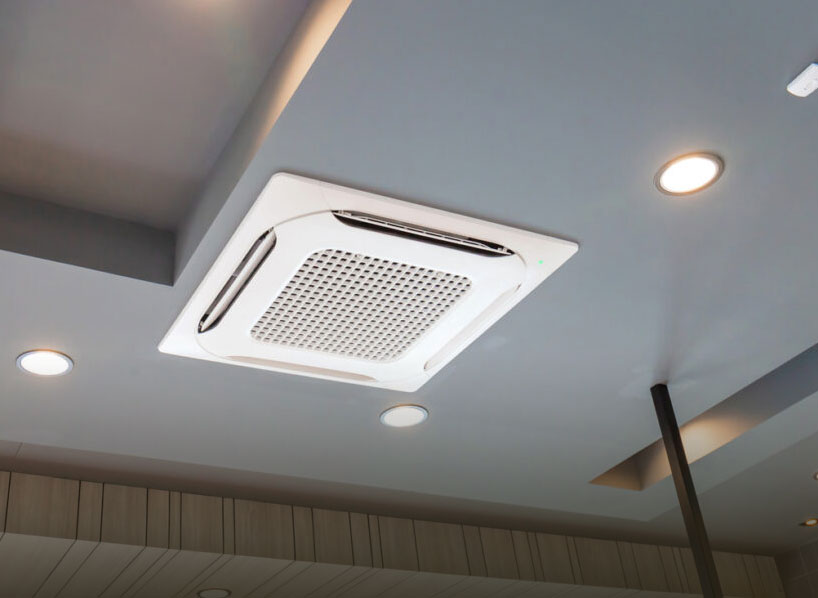
- Choose ducted if you want every room heated and cooled, prefer discreet ceiling outlets, have adequate roof space and plan to stay long term.
Many homes start with one split in the living room and add a bedroom unit later. Others replace a collection of portable heaters with one ducted system. We look at your floor plan, how you use each room and your budget before recommending either path.
Everything Taken Care Of
What Your Home Heating System Installation Includes
Whichever reverse-cycle option you choose, a home heating system installation with us includes:
- Heating needs review – we talk through which rooms you heat, when, and whether you also want cooling
- Honest option comparison – split, multi-head or ducted reverse-cycle weighed against what you have now
- Correctly sized unit – capacity calculated for your rooms, insulation and windows
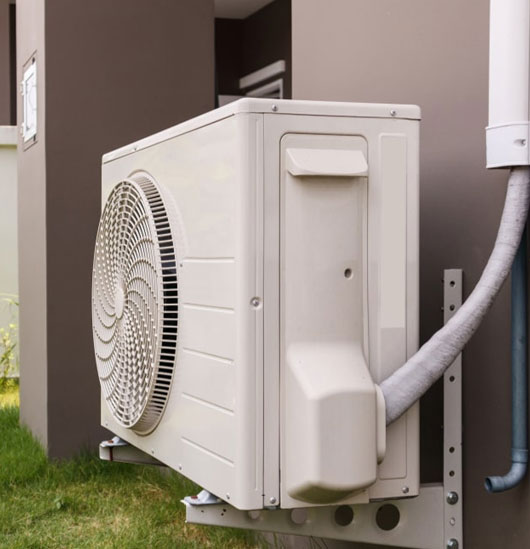
- Neat installation – indoor and outdoor units mounted securely with tidy, insulated pipework
- Licensed electrical work – a dedicated circuit and isolator installed by a licensed electrician
- Handover and tips – how to use heat mode, timers and filters for efficient winter running
Pricing Guide
How Much Does a Home Heating System Cost?
Upfront cost depends mostly on how many rooms you want to heat. As a guide, a reverse-cycle split system costs $1,800–$4,500 supplied and installed, a multi-head system $4,500–$9,000, and whole-home ducted reverse-cycle $9,000–$20,000+.
| Price driver | How it affects the cost |
|---|---|
| System type | Splits cost least upfront; ducted costs most but covers the whole home |
| Room size | Larger or open-plan rooms need higher-capacity units |
| Number of rooms | Each extra split or zone adds equipment and labour |
| Installation access | Two-storey walls, long pipe runs or tight roofs add time |
| Electrical work | Older switchboards may need upgrading for a new circuit |
Our Process
How We Help You Choose and Install Your Heating
Choosing and installing new heating with us is straightforward:
- Talk through your needs – by phone or on site, we discuss which rooms you heat, your current heaters and your budget
- Recommendation and quote – we suggest split, multi-head or ducted reverse-cycle and provide an itemised quote
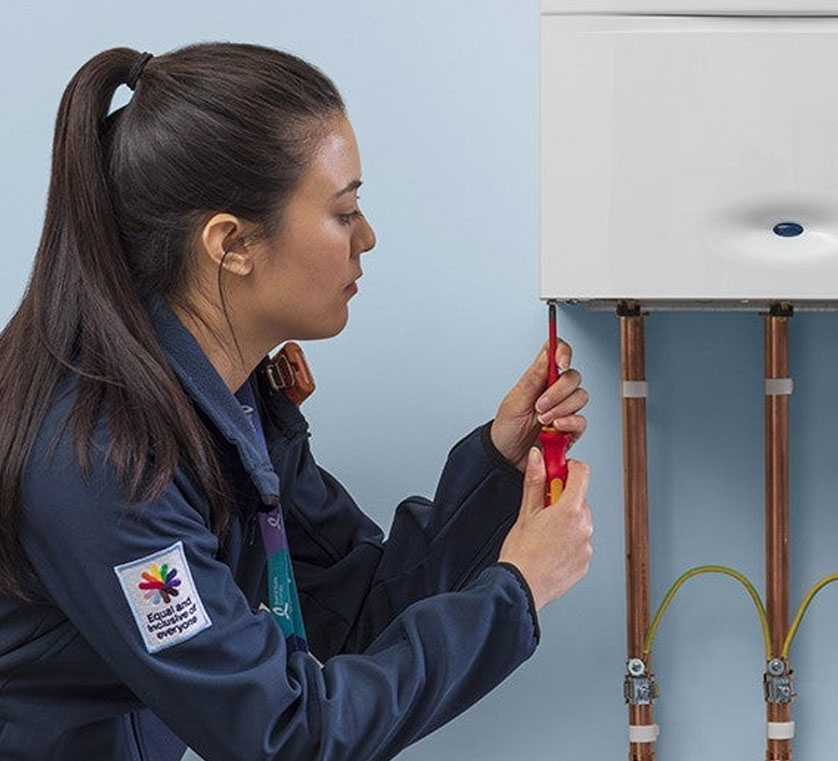
- Installation – units are installed neatly and connected by a licensed electrician – a single split is usually done in a day
- Handover – we set up heat mode and timers and show you how to clean the filters
Safety and Health
Comfort, Safety and Air Quality at Home
Your heating choice affects more than the power bill. A few household considerations are worth weighing up:
- No combustion indoors – reverse-cycle units burn no fuel, so they produce no smoke or combustion fumes inside the home.
- Allergies and asthma – washable filters capture dust, while a wood heater or unflued gas heater can add smoke or fumes to indoor air.
- Child and pet safety – wall and ceiling units have no hot surfaces within reach, unlike panel heaters or wood heaters.
- Fire risk – portable heaters near curtains or bedding are a common winter hazard; a fixed system removes that risk.
Whatever you choose, keep filters clean, have older gas appliances checked by a licensed gasfitter, and never leave portable heaters running unattended.
Related Services
Explore Our Heating and Cooling Services
Ready to narrow down your choice? These pages go into more detail:
- Split system installation
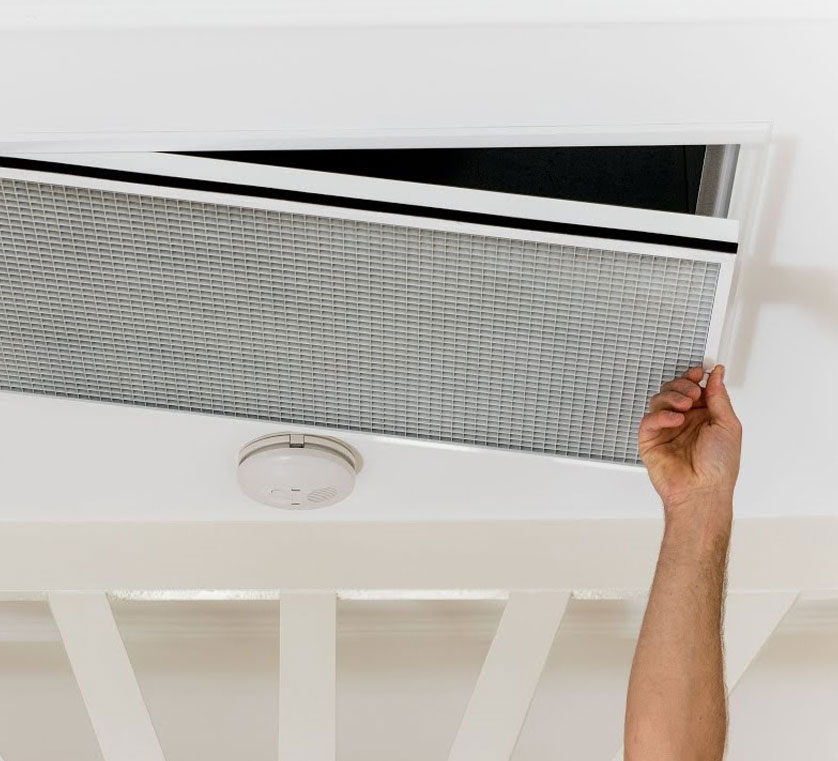
- Ducted heating installation
- Whole-home central heating
- Heating running costs in Perth
- Residential air conditioning installations
- Split system servicing
For every heating option we install, visit our main heating system installation page.
Meeting Quality & Safety Requirements
You will have peace of mind because our team will ensure that all the professional work done for your home will meet the strictest quality and safety requirements set by our industry and the Australian Government.
Establishing A Single Point of Contact
You will have reduced stress because there will be one person you can get in touch with to discuss all aspects and help manage all the complexities of the professional work done for your home from start to finish.
Maintaining Transparent Communication
You will have full knowledge of work progress because we will maintain continuous and transparent communication throughout the process to provide you with consistent updates and effective issue resolutions.
Meeting Quality & Safety Requirements
You will have peace of mind because our team will ensure that all the professional work done for your home will meet the strictest quality and safety requirements set by our industry and the Australian Government.
Frequently Asked Questions About Your Home Heating System
Choosing Between Heating Options
There is no single best home heating system for every house, but reverse-cycle is a popular choice in Perth because it heats efficiently, also cools in summer and burns no fuel indoors. A split suits one or two rooms; ducted suits whole-home heating.
Usually, yes. A panel or oil heater turns one unit of electricity into one unit of heat, while a reverse-cycle heat pump typically delivers three to four units of heat for the same power.
No. We install reverse-cycle split systems and ducted reverse-cycle systems only. We are happy to compare them with gas, wood and panel heating so you can decide with confidence.
Splits suit heating one to three rooms at a lower upfront cost. Ducted suits heating and cooling the whole house through discreet ceiling outlets, with zones to control running costs.
Yes. Modern inverter reverse-cycle units are designed to heat in Perth winter conditions, including cold mornings, provided the system is sized correctly for the room.
Reverse-cycle units have no open flame, no combustion fumes indoors and no hot surfaces within reach, which makes them a practical choice for families.
As a guide only, a reverse-cycle split costs $1,800–$4,500 installed, a multi-head $4,500–$9,000 and ducted reverse-cycle $9,000–$20,000+. We provide an itemised quote after assessing your home.
Yes, many households do. Some keep a wood heater for ambience while relying on reverse-cycle day to day. If you keep using an older gas heater, have it checked regularly by a licensed gasfitter.
Why Greenarmy Services is Your #1 Choice

Proven Top-Tier Quality At Affordable Rates
You will have experts tested and proven by countless homeowners in Western Australia to deliver a wide range of the highest quality services with unmatched quality and reliability delivered at rates that won’t break the bank!

Highly Skilled & Certified Technicians
You will have fully certified, licenced, and insured technicians with decades of knowledge and expertise you can trust to ensure the safety, health, integrity, viability, and energy efficiency of your household for generations to come.

Impeccable Timing With Transparent Rates
You will have a wide range of impeccably precise and timed professional work done for your home at affordable rates that detail all material and labour costs for full disclosure and complete transparency with no hidden costs or charges.