
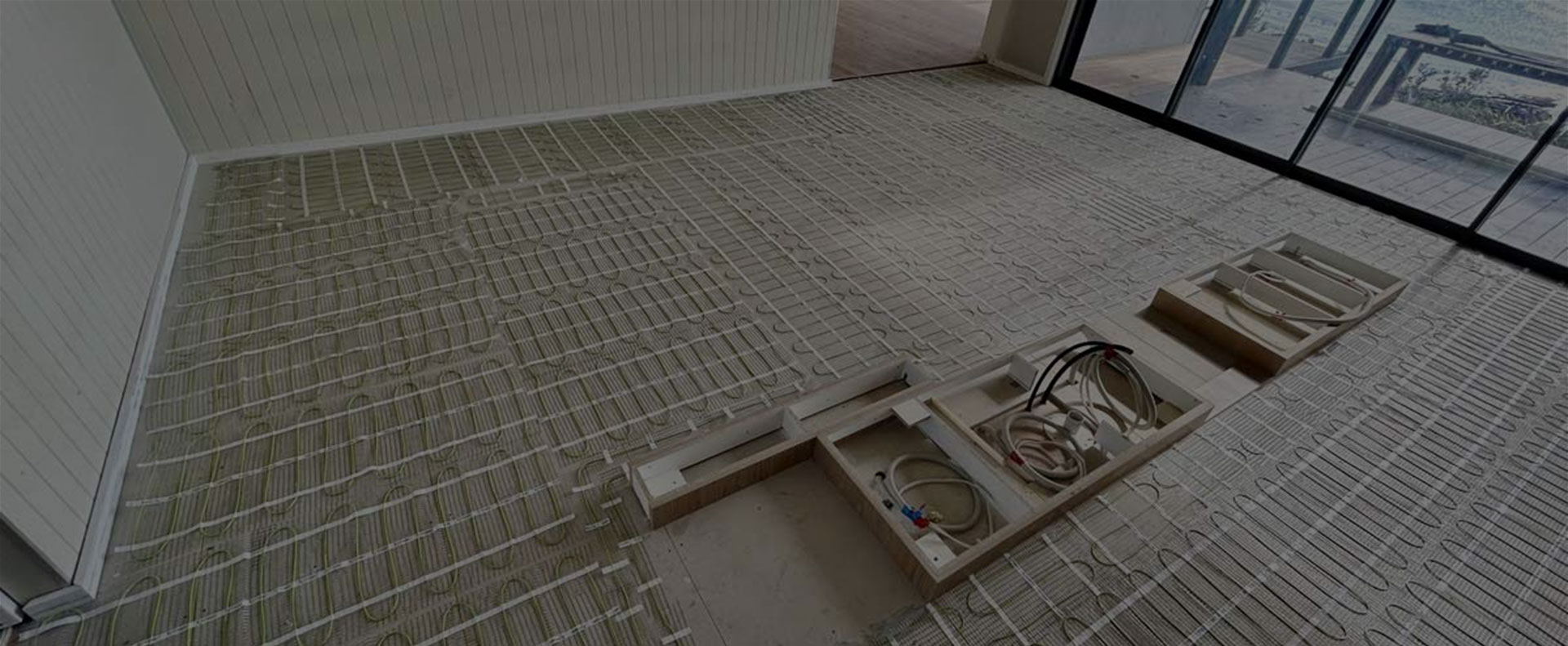
Whole-Home Warmth
Central Heating System Installation for Every Room in Your Home
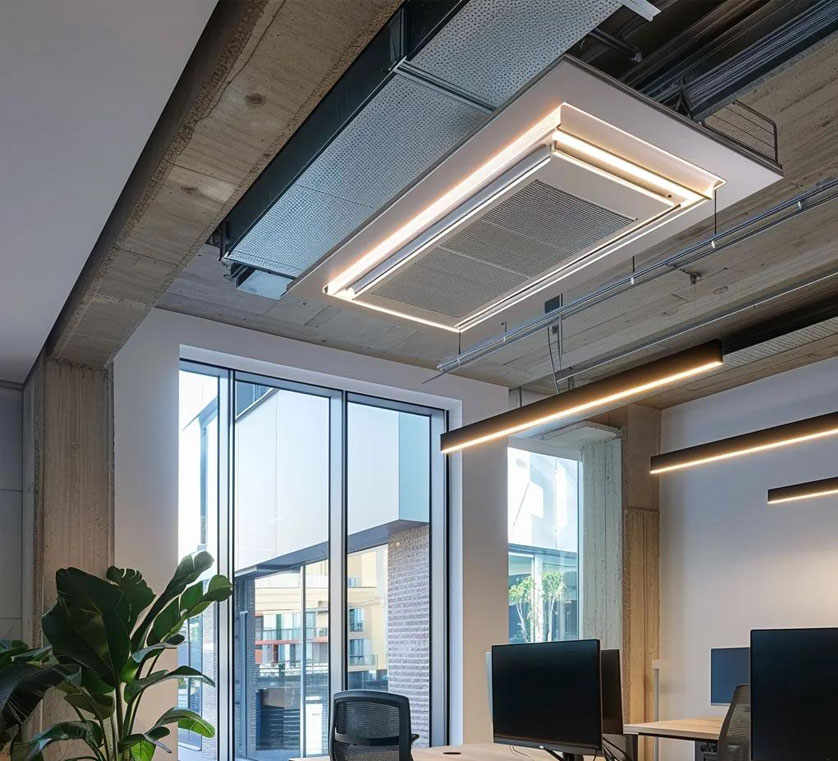
Central heating means one system warming the whole house from a single plant, rather than a separate heater in each room. For most Perth homes today, the most efficient way to get it is ducted reverse-cycle air conditioning: an outdoor unit, a fan coil in the roof and insulated ducts that deliver warm air to ceiling outlets in every room you choose.
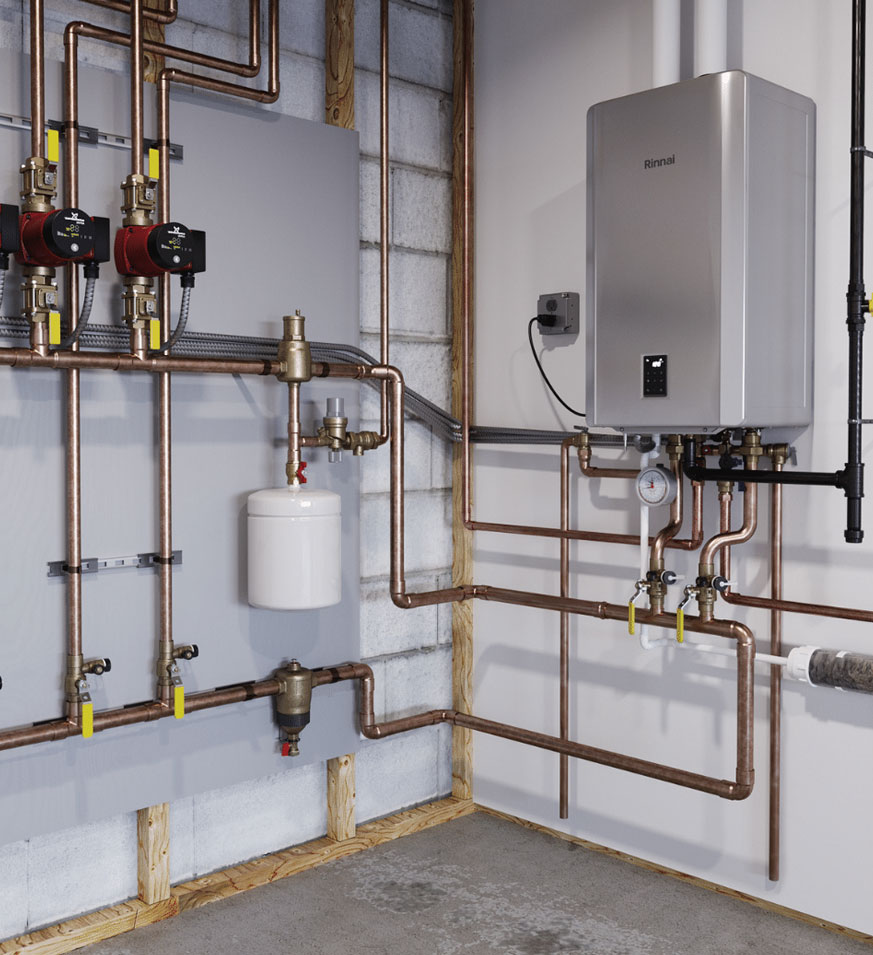
Our central heating system installation service designs that whole-home layout, sizes the system to your floor plan and installs it so warmth reaches the far bedrooms as well as the living area. The same system cools in summer, so one installation covers the whole year. We install ducted reverse-cycle systems only – we do not fit gas, hydronic or wood heaters – but we are happy to explain how they compare.
How It Works
What Is Central Heating and How Does Ducted Reverse-Cycle Deliver It?
A central heating system has three jobs: making heat, moving it around the house and controlling where it goes. With ducted reverse-cycle, each part looks like this:
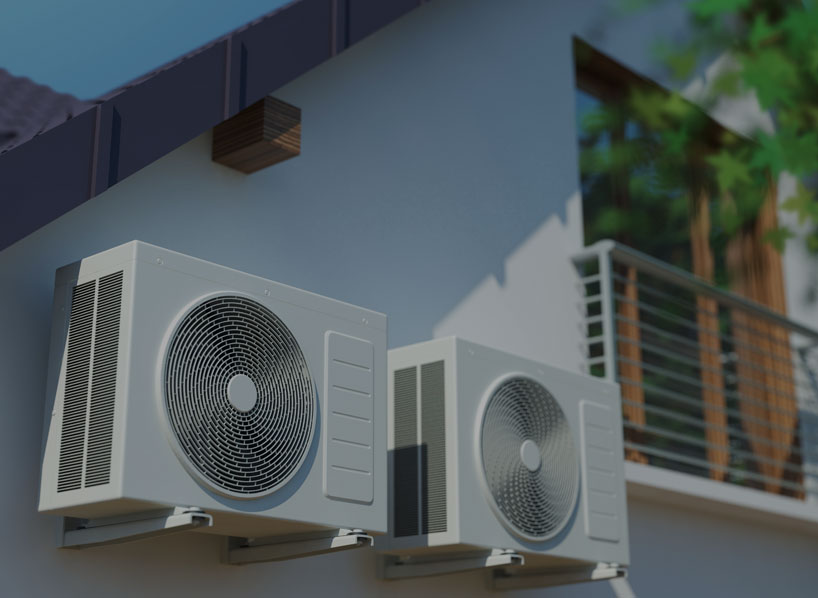
- The heat source – an outdoor heat pump draws heat from the outside air, even on cold mornings, and concentrates it.
- The air handler – a fan coil hidden in the roof space warms the air passing over it.
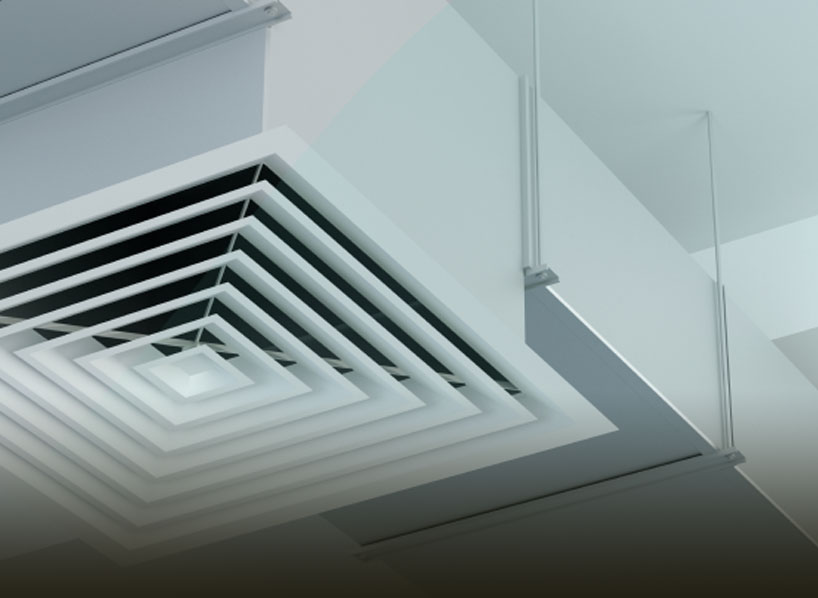
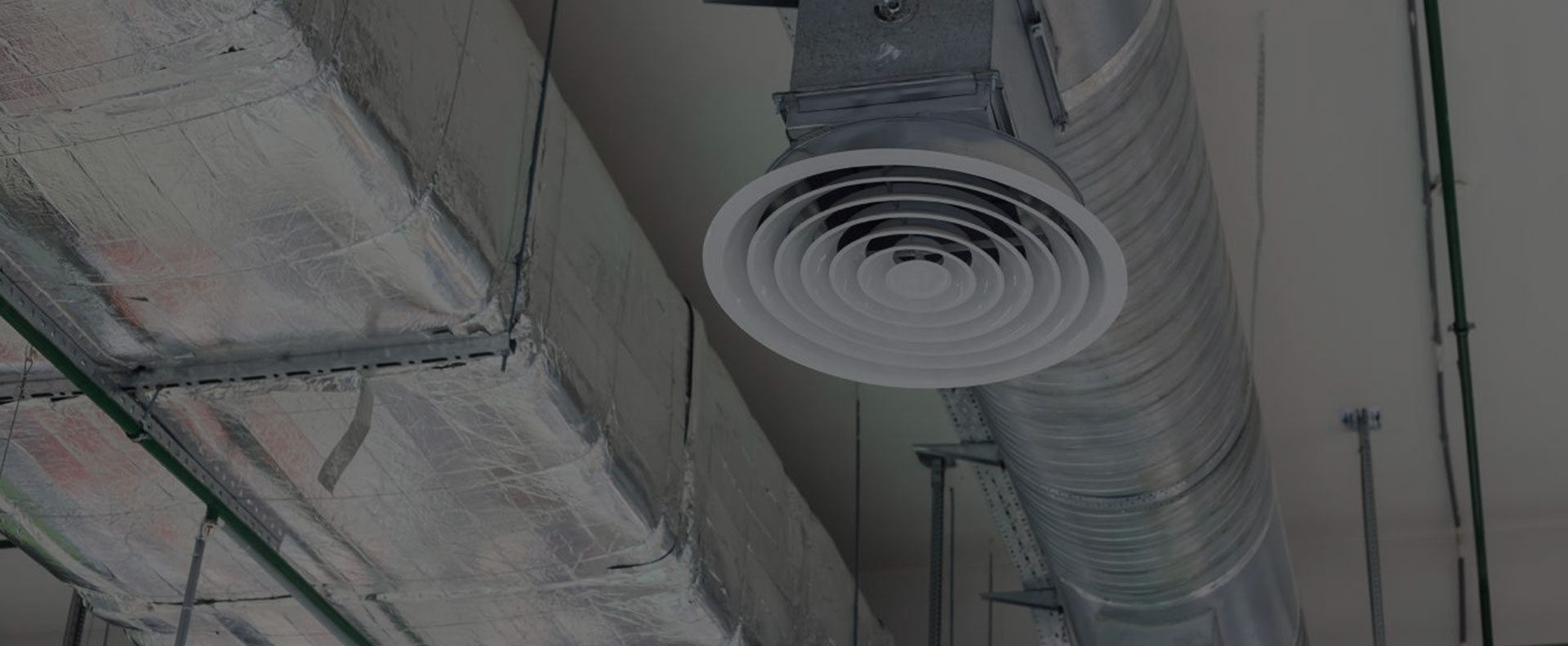
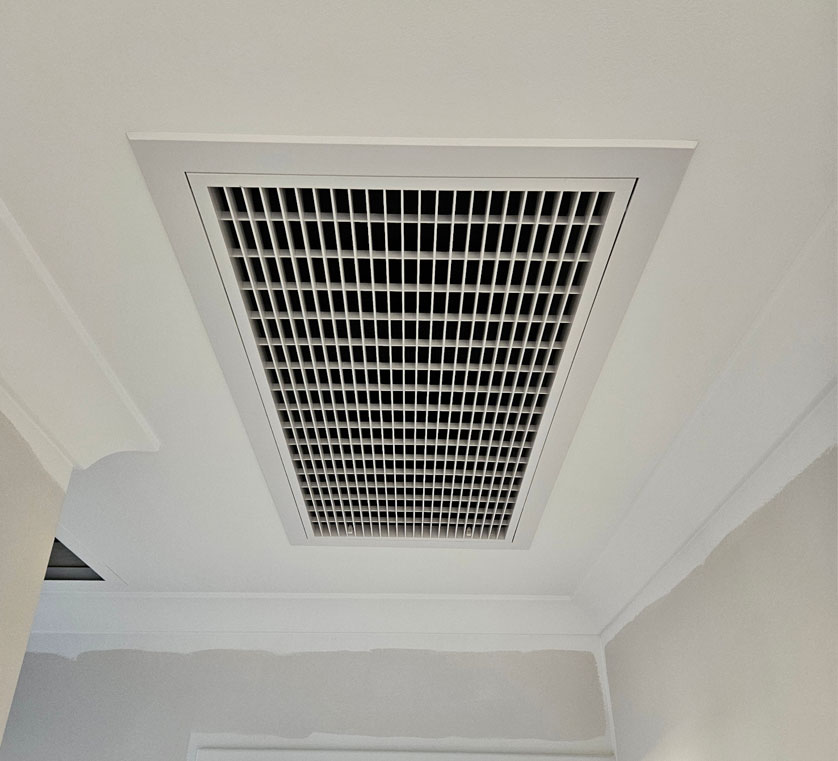
- The ductwork – insulated flexible ducts carry warm air to outlets in each room, while a central return air grille draws air back.
- The controls – a wall controller, timer and optional zone motors let you heat only the rooms in use.
Because a heat pump moves heat rather than burning fuel, a well-sized system typically delivers three to four units of heat for every unit of electricity it uses. That efficiency is why whole-home reverse-cycle has largely replaced gas in new Perth builds. For the full range of systems we fit, see our heating system installation page.
Gas vs Reverse-Cycle
Ducted Reverse-Cycle or Gas Central Heating: How Do They Compare?
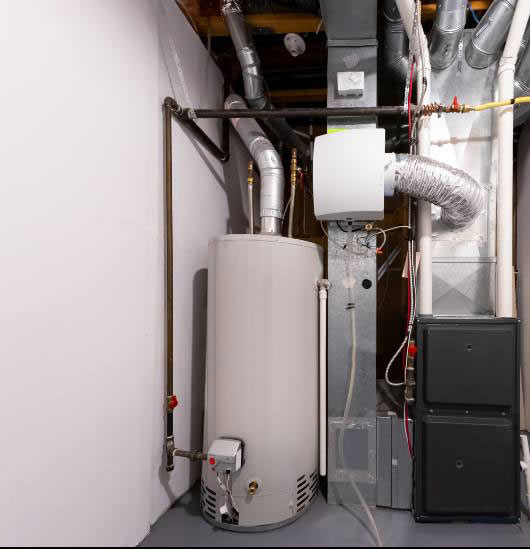
Gas ducted heating has been common in Perth homes for decades, so many people still picture a gas unit when they hear “central heating”. Here is how the two approaches compare for a typical family home:
| What matters | Ducted reverse-cycle | Gas ducted heating |
|---|---|---|
| Heating and cooling | One system for both | Heating only – cooling needs a second system |
| Energy source | Electricity, which rooftop solar can offset | Gas, plus electricity for the fan |
| Efficiency | Typically 3–4 units of heat per unit of power | Burns fuel; some heat is lost through the flue |
| Outlets | Ceiling outlets in each zone | Floor or ceiling vents |
| Upkeep | Filter cleans and periodic servicing | Regular gas safety servicing recommended |
Gas ducted can still suit some households, and we will talk through the trade-offs honestly. If you want one system that heats and cools the whole home, ducted reverse-cycle is what we install.
Everything Taken Care Of
What Your Central Heating System Installation Includes
Every whole-home system is designed around the house, but a typical central heating system installation includes:
- Heat-load assessment – we look at room sizes, ceiling heights, insulation and windows so the system is sized for cold winter mornings, not just summer
- Whole-home duct design – duct runs and outlet positions planned so warm air reaches end bedrooms and open-plan living evenly
- Ducted reverse-cycle unit – a quality inverter system matched to your home’s size and zoning needs
- Return air and filtration – a correctly sized return air grille with an accessible filter for easy cleaning
- Licensed electrical connection – a dedicated circuit and isolator installed by a licensed electrician
- Controller set-up and handover – heating schedules, zones and temperatures set with you before we leave
Pricing Guide
How Much Does Central Heating System Installation Cost?
Whole-home central heating with ducted reverse-cycle typically costs $9,000–$20,000+ supplied and installed, with most 3–4 bedroom homes landing between $11,000 and $16,000. Zoning usually adds around $1,000–$3,000. If only one or two rooms need heating, a reverse-cycle split at $1,800–$4,500 may be better value.
| Price driver | How it affects the cost |
|---|---|
| Home size and layout | Larger floor areas and long duct runs need a bigger unit and more ductwork |
| Number of zones | Each extra zone adds dampers, controls and labour |
| Roof space access | Low-pitched or cramped roofs take longer to work in |
| Old gas heater removal | Removing an old unit (gas disconnected by a licensed gasfitter) adds to the job |
| Controller choice | Wi-Fi and smart controllers cost more than a basic wall controller |
Our Installation Process
How We Install Whole-Home Central Heating in Four Steps
From the first visit to your first warm evening, a central heating installation follows four clear stages:
- Free in-home assessment – we look at your floor plan, roof space and how you use each room, then talk through ducted reverse-cycle and the alternatives
- Itemised design and quote – you receive a written quote showing the unit, outlets, zones and any removal work
- Installation – our team runs the ducts, fits the indoor and outdoor units and outlets, and a licensed electrician connects the power – most homes take one to three days
- Testing and handover – we test heating in every room, set your schedules and zones, and show you how to clean the filter
Living With Central Heating
Is Whole-Home Heating Right for Your Household?
Central heating is a bigger investment than a single split, so it is worth checking it suits how you live. It usually makes sense when:
- you want every bedroom warm on winter mornings, not just the lounge
- several people are home at different times and use different rooms
- you want to replace a mix of portable heaters and old units with one tidy system
- you also want whole-home cooling for Perth summers
A few practical points help you get the most from it. Warm ducted air can feel slightly dry, so some households keep a humidifier in bedrooms. A clean return air filter helps airflow and suits allergy sufferers. Zoning lets you heat living areas in the evening and bedrooms overnight, instead of paying to heat the whole house all day. And if only one or two rooms really need warmth, we will tell you a reverse-cycle split may be the smarter choice.
Related Heating Services
More Central Heating Help for Perth Homes
Want more detail on a particular part of home heating? These pages cover related topics and the services we provide:
- Ducted heating installation
- Choosing a home heating system
- Replacing gas central heating in Perth
- Heating installation by Perth suburb
- Ducted air conditioning installation
- Air conditioning servicing
For the complete overview, visit our main heating system installation page.
Meeting Quality & Safety Requirements
You will have peace of mind because our team will ensure that all the professional work done for your home will meet the strictest quality and safety requirements set by our industry and the Australian Government.
Establishing A Single Point of Contact
You will have reduced stress because there will be one person you can get in touch with to discuss all aspects and help manage all the complexities of the professional work done for your home from start to finish.
Maintaining Transparent Communication
You will have full knowledge of work progress because we will maintain continuous and transparent communication throughout the process to provide you with consistent updates and effective issue resolutions.
Meeting Quality & Safety Requirements
You will have peace of mind because our team will ensure that all the professional work done for your home will meet the strictest quality and safety requirements set by our industry and the Australian Government.
Frequently Asked Questions About Central Heating System Installation
Your Whole-Home Heating Questions Answered
A central heating system installation from Greenarmy means fitting a ducted reverse-cycle system: an outdoor unit, a fan coil in the roof, insulated ducts and ceiling outlets in each room, plus a return air grille and wall controller. We assess your home first, and most installs take one to three days.
In many Perth homes it is, because a heat pump typically delivers three to four units of heat for each unit of electricity. Actual costs depend on your tariffs, gas prices, insulation and whether you have rooftop solar, so we compare the options with you at the quote.
No. We install reverse-cycle split and ducted reverse-cycle systems only. We are happy to explain how gas ducted, hydronic and other options compare so you can make an informed choice.
Yes. Ducted reverse-cycle heats in winter and cools in summer through the same ducts and outlets, so you do not need separate heating and cooling systems.
It should if the system is designed properly. We size duct runs and outlets for each room and position the return air so warm air circulates evenly, including to end bedrooms.
Yes, with zoning. Motorised dampers let you heat the living zone in the evening and the bedrooms overnight, which helps keep running costs down.
As a guide only, whole-home ducted reverse-cycle typically costs $9,000–$20,000+, with most 3–4 bedroom Perth homes around $11,000–$16,000. Zoning usually adds about $1,000–$3,000.
Not always. For a small unit, or a home where only one or two rooms need heating, a reverse-cycle split system is often better value. We will recommend whichever genuinely suits your home.
Why Greenarmy Services is Your #1 Choice

Proven Top-Tier Quality At Affordable Rates
You will have experts tested and proven by countless homeowners in Western Australia to deliver a wide range of the highest quality services with unmatched quality and reliability delivered at rates that won’t break the bank!

Highly Skilled & Certified Technicians
You will have fully certified, licenced, and insured technicians with decades of knowledge and expertise you can trust to ensure the safety, health, integrity, viability, and energy efficiency of your household for generations to come.

Impeccable Timing With Transparent Rates
You will have a wide range of impeccably precise and timed professional work done for your home at affordable rates that detail all material and labour costs for full disclosure and complete transparency with no hidden costs or charges.