
Split Systems Explained
What Is Split System Air Conditioning?
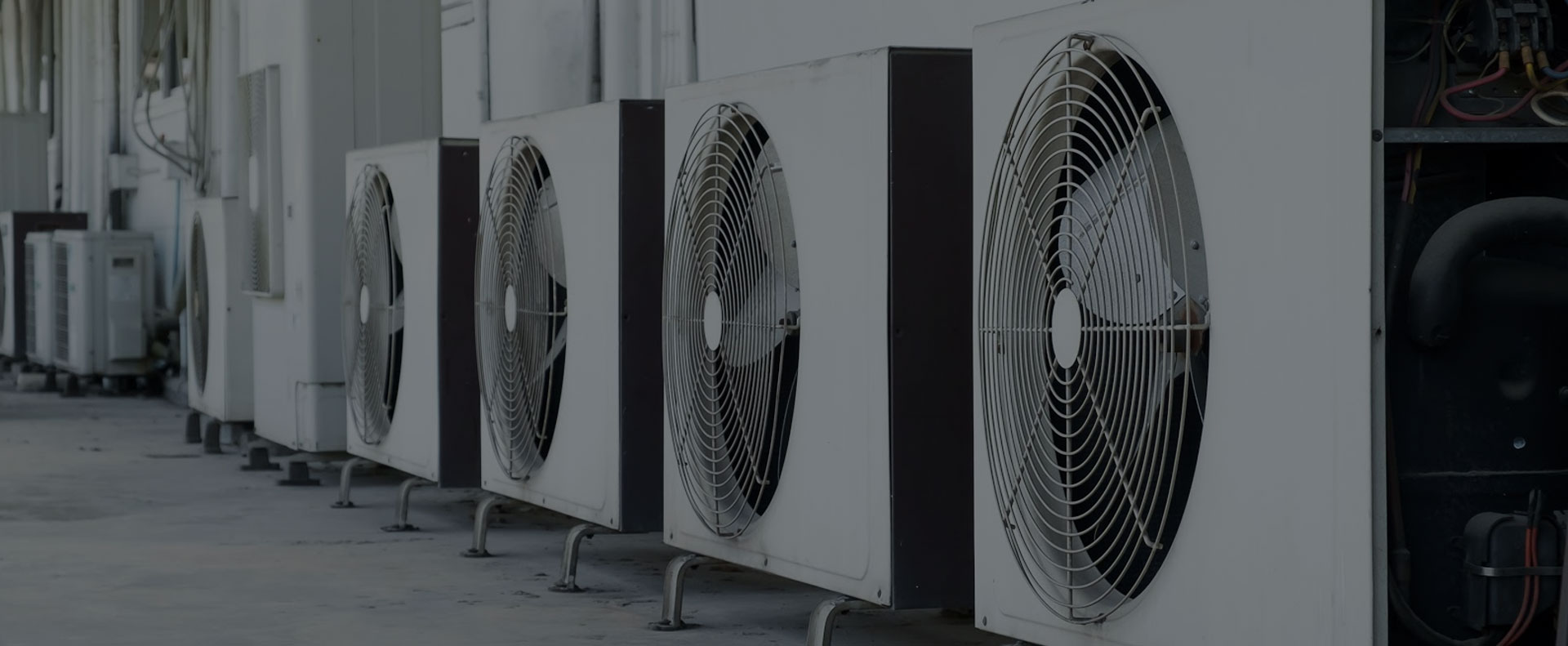
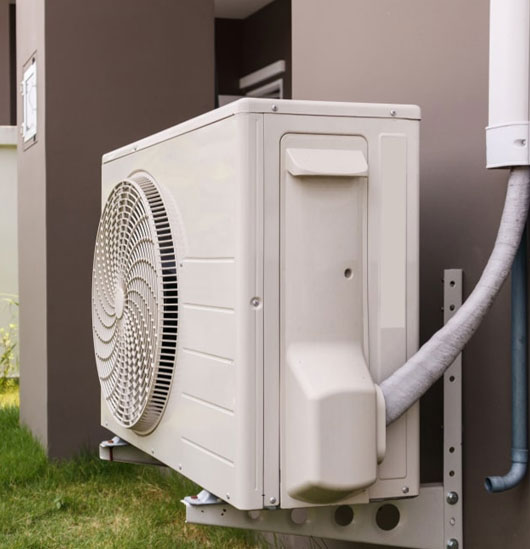
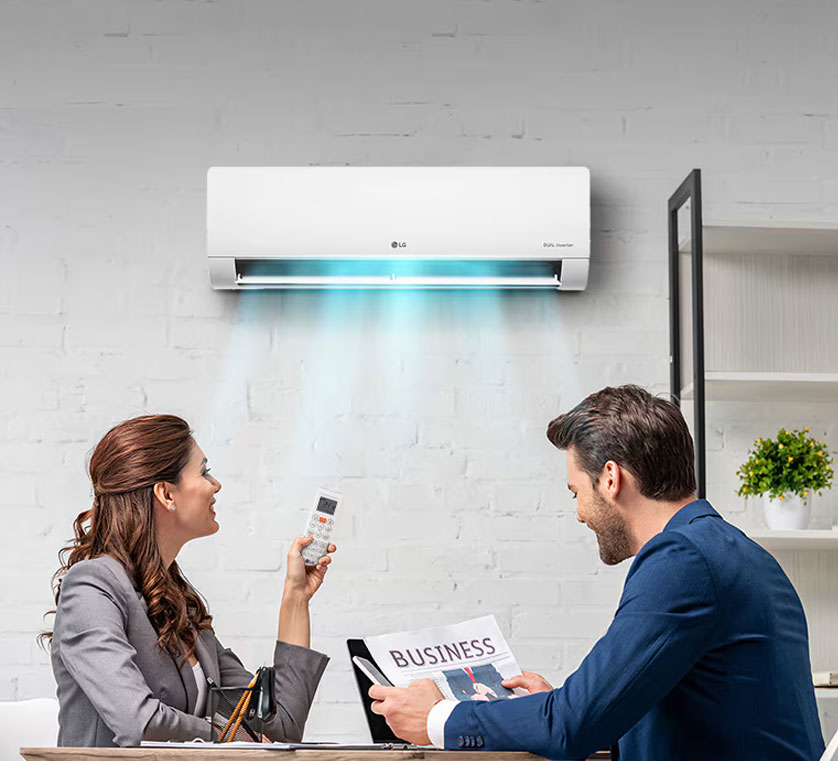
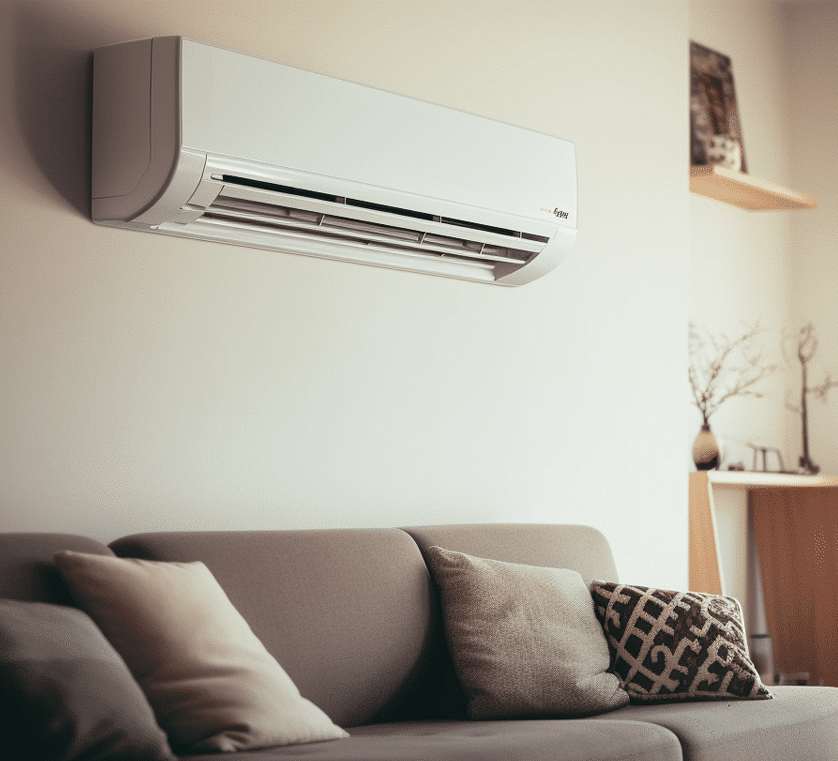
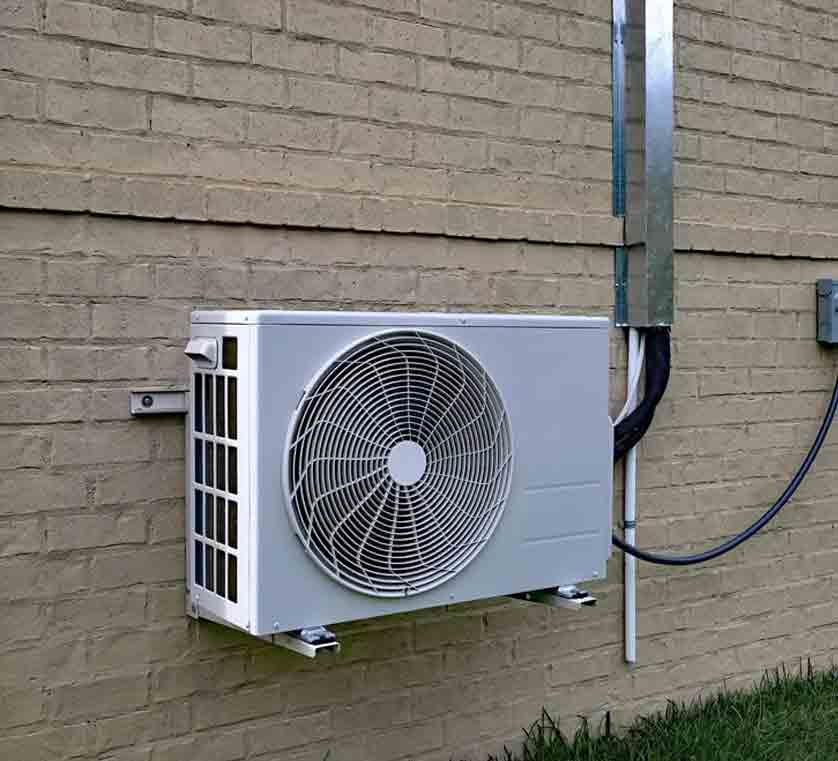
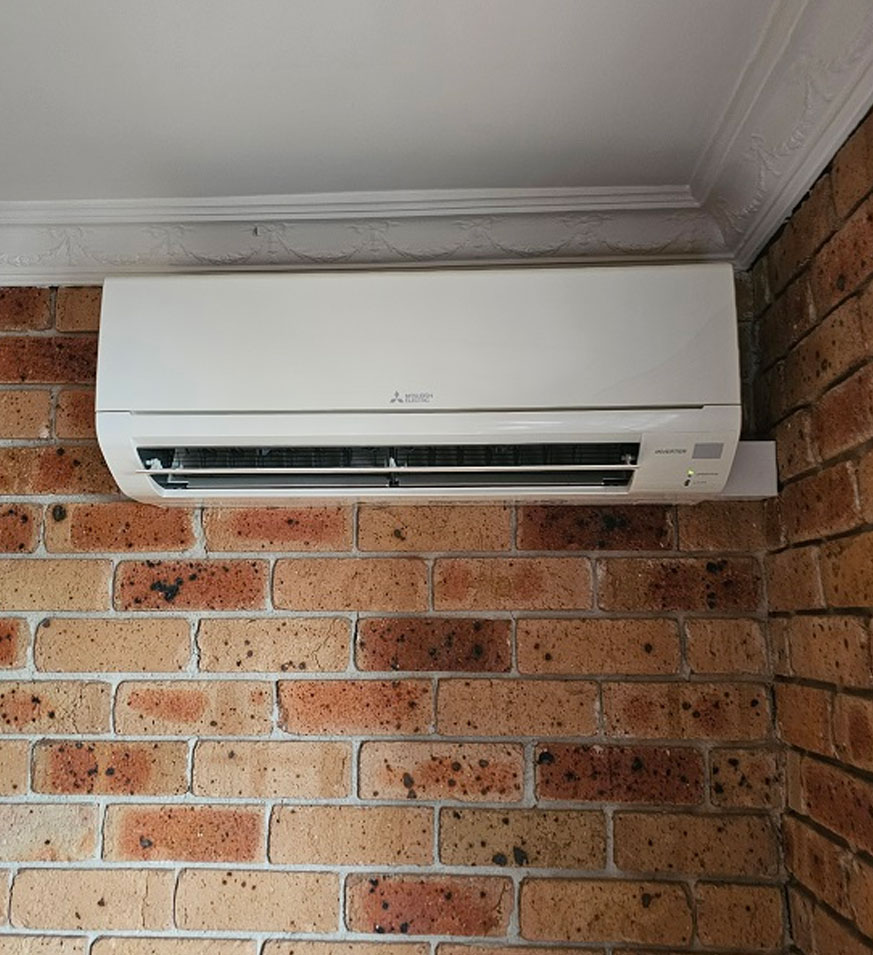
Split system air conditioning gets its name from the way the equipment is divided in two: a slim indoor unit mounted high on the wall, and an outdoor unit holding the compressor and condenser fan. The two are joined by insulated copper pipes, a drain line and a power cable that pass through a small hole in the wall.
Because each indoor unit only looks after one room or open area, you cool or heat the spaces you actually use instead of the whole house. Most modern splits are inverter, reverse-cycle units, so the same system keeps you cool in January and warm in July. This page explains how they work, where they shine, where they fall short and which homes they suit best.
How It Works
How a Split System Moves Heat Out of Your Room
A split system does not create cold air. It moves heat. Refrigerant flowing through the indoor coil absorbs warmth from your room, the compressor outside pumps it to the outdoor coil, and the outdoor fan releases that heat into the air. In heating mode a reversing valve runs the cycle backwards, drawing heat from outdoor air even on a cold night.
| Part | What it does |
|---|---|
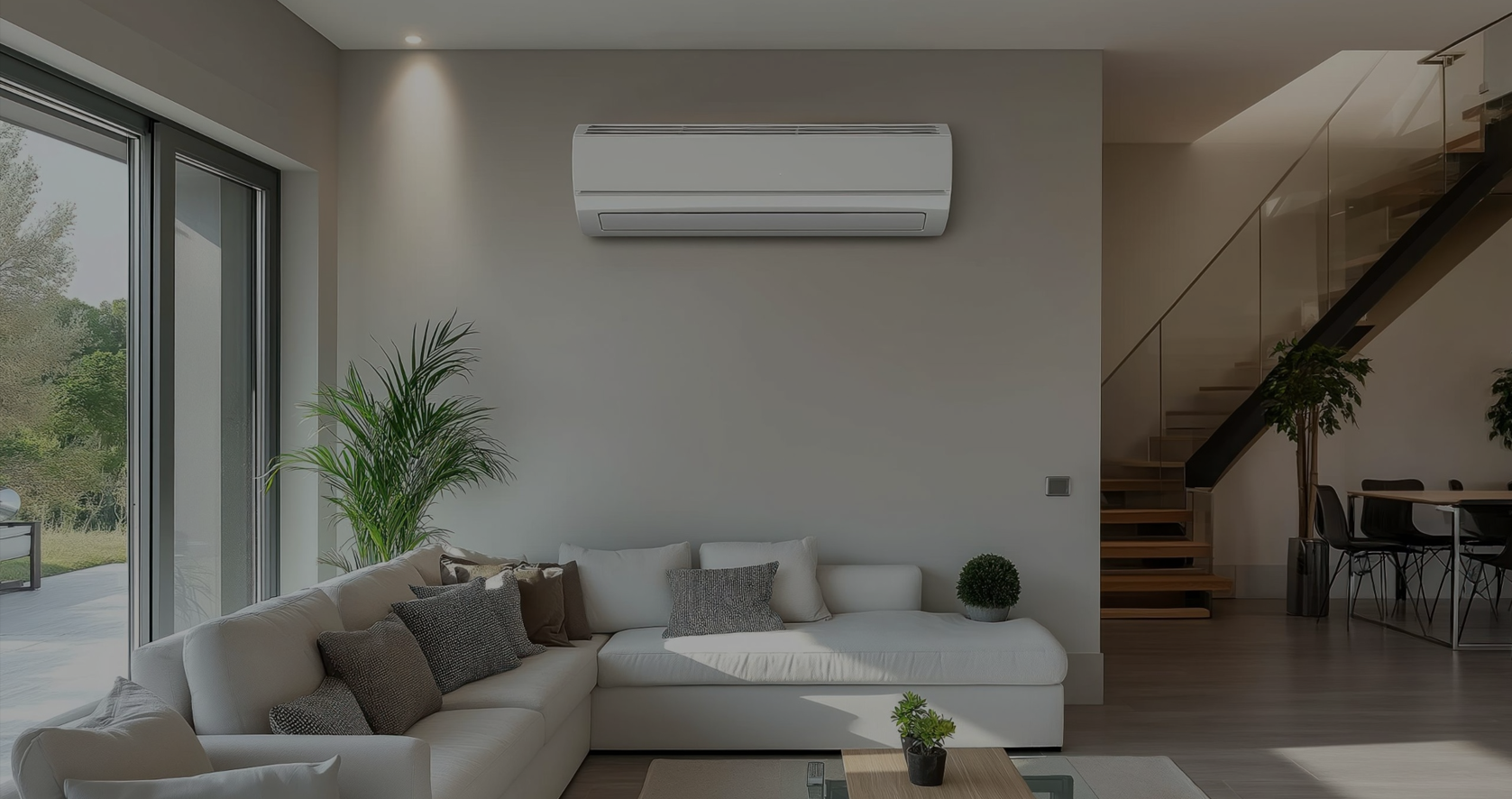
| Indoor unit | Draws room air through a filter and over a cold (or warm) coil, then blows it back out |
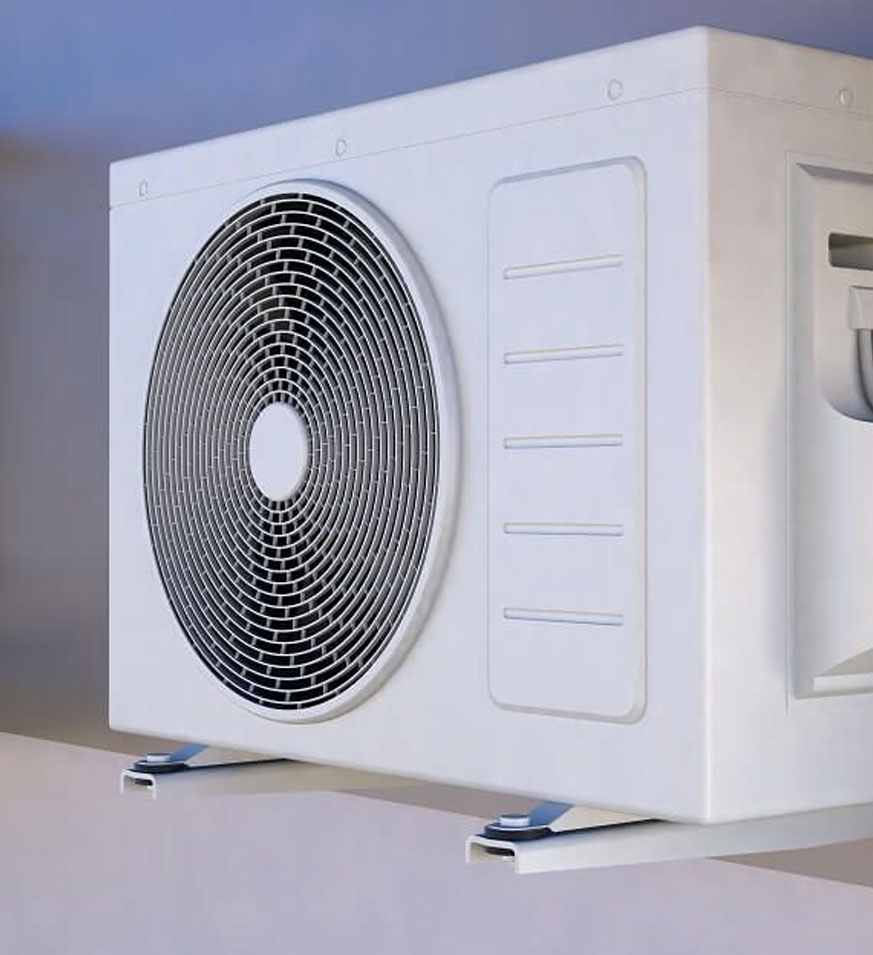
| Outdoor unit | Houses the compressor and releases or collects heat |
| Refrigerant pipes | Carry refrigerant between the two units in a sealed loop |
| Drain line | Takes away the water removed from humid air |
| Inverter controller | Speeds the compressor up or down so the room holds temperature without stopping and starting |
Getting these parts sized and fitted correctly is what our split system installation service is all about.
Comparing Your Options
Split System vs Ducted vs Evaporative: Pros and Cons
Each type of system has a place. The table below sums up the trade-offs most Perth families weigh up:
| System | Strengths | Limitations |
|---|---|---|
| Split system | Lowest upfront cost, efficient, cools and heats, quick to install | One room per indoor unit; wall units are visible |
| Multi-head split | Several rooms from one outdoor unit, saves wall space outside | Costs more than single splits; rooms share one compressor |
| Ducted reverse-cycle | Whole-home comfort, hidden vents, zoning | Highest cost; needs roof space; runs more equipment |
| Evaporative | Cheap to run in dry heat, fresh air | Struggles on humid days; no heating; doors and windows must stay open |
For most homes that want to cool two to four key rooms, split system air conditioning offers the best balance of price, running cost and comfort.
What You Are Getting
What Your Split System Air Conditioning Setup Includes
A properly installed split is more than a unit on the wall. A complete setup normally includes:
- Indoor wall unit – sized to the room and placed for even airflow, away from beds where possible
- Outdoor condenser – mounted on a bracket or pad with clearance for airflow and servicing
- Insulated pipework – copper lines sealed, pressure-tested and covered with neat ducting
- Condensate drain – graded so water runs away cleanly instead of dripping down the wall
- Electrical connection – power to the unit by a licensed electrician, with an isolator outside
- Remote and handover – we set the unit up, explain the modes and register the warranty details with you
Pricing Guide
How Much Does Split System Air Conditioning Cost?
A supplied and installed split usually costs between $1,800 for a small bedroom unit and $4,500 for a large living-area system. Multi-head systems generally sit between $4,500 and $9,000. If you already have a unit, back-to-back install-only work starts from around $650.
| Price driver | How it affects the cost |
|---|---|
| Capacity (kW) | Bigger rooms need bigger, dearer units |
| Brand and efficiency | Higher star ratings cost more upfront but less to run |
| Pipe run and access | Long runs, second storeys and roof-mounted outdoor units add labour |
| Electrical work | Older switchboards may need a new circuit |
Getting Started
From First Question to a Running Split in Four Steps
If you are new to split system air conditioning, this is how the process usually runs with us:
- Tell us about your home – which rooms get hot, how you use them and what you are running now.
- In-home assessment – we measure the rooms, check wall and switchboard access and recommend a size and brand.
- Installation – most single splits are installed in a few hours, with pipework neatly covered and the area cleaned up.
- Handover – we test cooling and heating, show you the remote and explain how often it should be serviced.
Is It Right for You?
Who Split System Air Conditioning Suits Best
Splits are a strong fit for:
- Apartments and units – one or two splits cover the whole home, with no roof space needed.
- Families cooling a few key rooms – the living area by day and bedrooms at night.
- Budget-conscious homes – you can start with one unit and add more later.
- Allergy-prone households – recirculated air passes through a filter that is easy to clean.
They are less ideal when you want every room conditioned at once, when wall space is very limited, or when you strongly dislike the look of a wall unit. In those cases ducted or a multi-head system can be the better choice, and we will tell you honestly which way we would go.
Related Split System Services
Explore Our Split System Services
Once you know split system air conditioning suits your home, these pages cover the next steps, from installation to keeping your unit running well:
- Split system installation
- Split systems for Perth homes
- Split system servicing
- Split system repairs
- Split system cleaning
- Split system maintenance
- Ducted air conditioning
- Air conditioning servicing
Ready to go ahead? Start with our split system air conditioning installation page.


Meeting Quality & Safety Requirements
You will have peace of mind because our team will ensure that all the professional work done for your home will meet the strictest quality and safety requirements set by our industry and the Australian Government.

Establishing A Single Point of Contact
You will have reduced stress because there will be one person you can get in touch with to discuss all aspects and help manage all the complexities of the professional work done for your home from start to finish.

Maintaining Transparent Communication
You will have full knowledge of work progress because we will maintain continuous and transparent communication throughout the process to provide you with consistent updates and effective issue resolutions.
Meeting Quality & Safety Requirements
You will have peace of mind because our team will ensure that all the professional work done for your home will meet the strictest quality and safety requirements set by our industry and the Australian Government.
Frequently Asked Questions About Split System Air Conditioning
Split Systems Explained: Your Questions Answered
Split system air conditioning uses an indoor wall unit and an outdoor unit joined by refrigerant pipes. The indoor unit cools or heats one room or open area, while the outdoor unit holds the compressor and releases or collects heat.
Most modern splits are reverse-cycle, so they cool in summer and heat in winter. Reverse-cycle heating is one of the most efficient ways to warm a room because it moves heat rather than generating it.
It depends on room size, ceiling height, insulation and which way the room faces. As a rough guide, bedrooms need about 2.5–3.5 kW and open-plan living areas 6–8 kW or more. We measure each room before recommending a size.
Usually, yes. A split only conditions the room you are in, so it uses less power than a ducted system cooling the whole house. Ducted with good zoning can be close, but splits normally win for small households.
A good-quality split that is serviced regularly typically lasts 10 to 15 years. Units near the coast or in dusty areas can wear faster if they are not kept clean.
Yes. A multi-head split connects two or more indoor units to a single outdoor unit. It saves space outside but costs more than separate splits, and all rooms rely on the one compressor.
Modern inverter splits are quiet. Indoor units on low fan are often around a whisper, and the outdoor unit hums when working hard. Careful placement keeps the outdoor unit away from bedroom windows and neighbours.
Usually, yes, but you will need the owner or strata approval before any wall is drilled or an outdoor unit is mounted. We can provide the details strata committees normally ask for.
Why Greenarmy Services is Your #1 Choice

Proven Top-Tier Quality At Affordable Rates
You will have experts tested and proven by countless homeowners in Western Australia to deliver a wide range of the highest quality services with unmatched quality and reliability delivered at rates that won’t break the bank!

Highly Skilled & Certified Technicians
You will have fully certified, licenced, and insured technicians with decades of knowledge and expertise you can trust to ensure the safety, health, integrity, viability, and energy efficiency of your household for generations to come.

Impeccable Timing With Transparent Rates
You will have a wide range of impeccably precise and timed professional work done for your home at affordable rates that detail all material and labour costs for full disclosure and complete transparency with no hidden costs or charges.