
DIY Or Professional?
Split System Air Conditioner Maintenance Made Simple for Owners
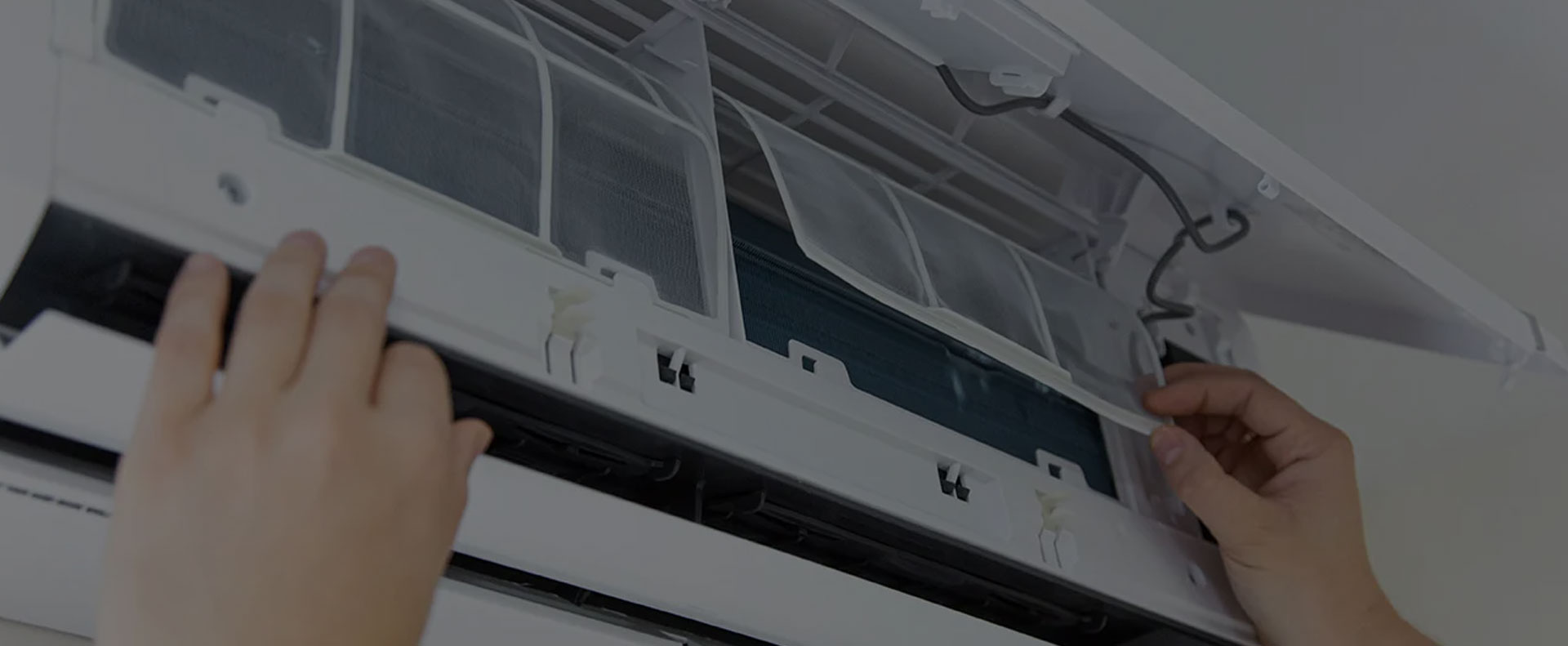
A split system is one of the easiest air conditioners to look after, which is why so many owners wonder whether they need a technician at all. The honest answer is that some split system air conditioner maintenance is genuinely do-it-yourself work, and some of it is not.
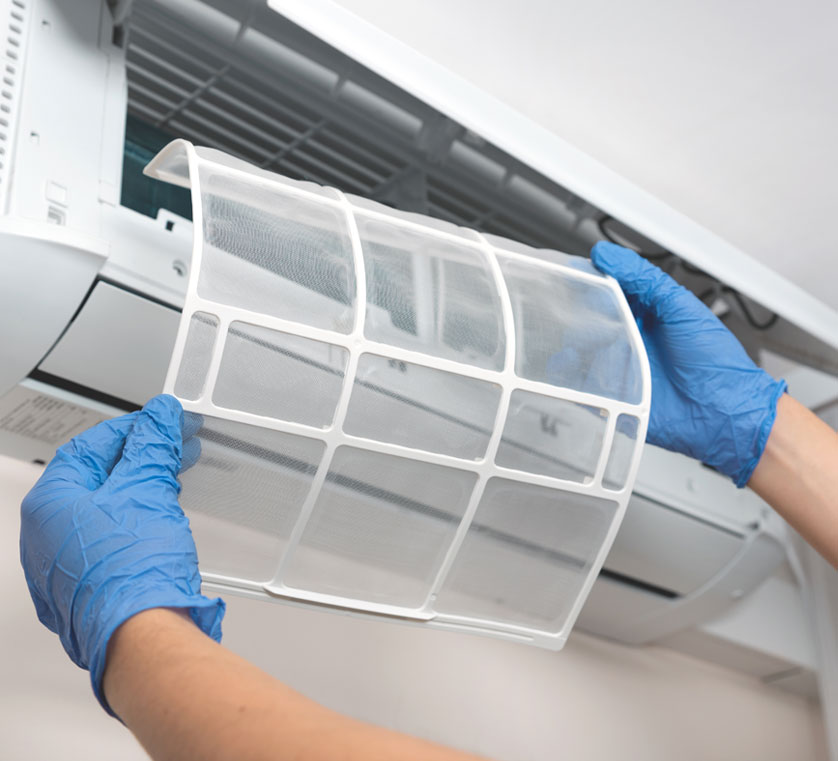
Washing the filters, keeping the outdoor unit clear and watching for warning signs are all things you can do safely in a few minutes. Anything involving refrigerant, electrical connections, the inside of the indoor unit or chemical coil cleaning needs a licensed technician. Getting that split right keeps you safe, protects your warranty and means you only pay us for the work that actually needs a professional.
Who Does What
Safe Owner Tasks Versus Technician-Only Work
Here is how we split the work between you and our team:
| Owner can do | Leave to a technician |
|---|---|
| Wash the filters every 2–4 weeks in peak season | Inspect and clean the indoor coil and fan barrel |
| Wipe the front cover and louvres with a damp cloth | Flush the condensate drain and tray |
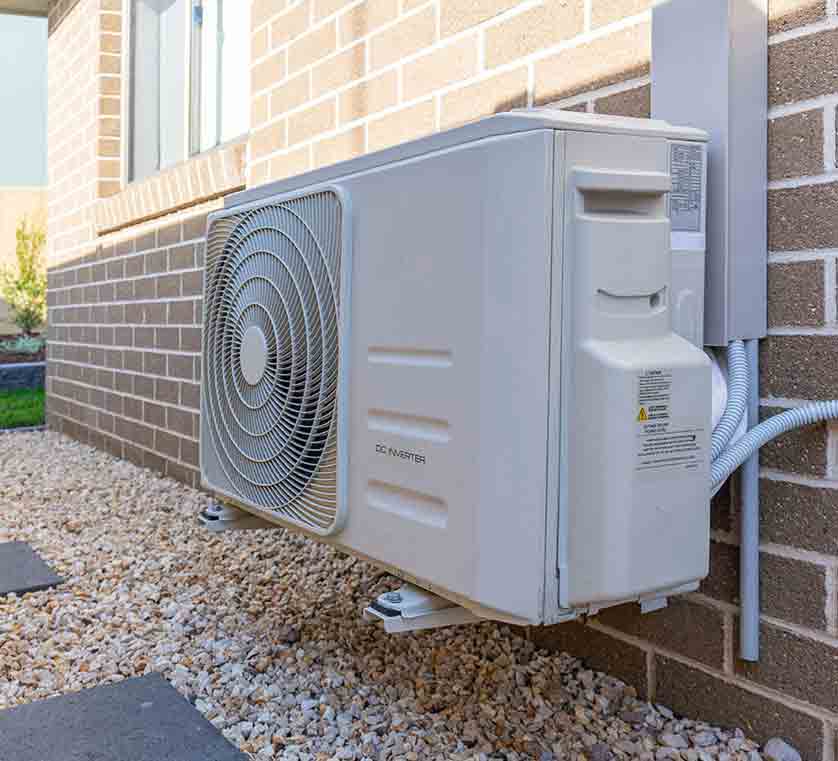
| Keep 50cm or more clear around the outdoor unit | Clean condenser fins and check the fan motor |
| Hose loose leaves off the outdoor unit gently (power off) | Check refrigerant pressures and look for leaks |
| Note new noises, smells or drips | Tighten and test electrical connections |
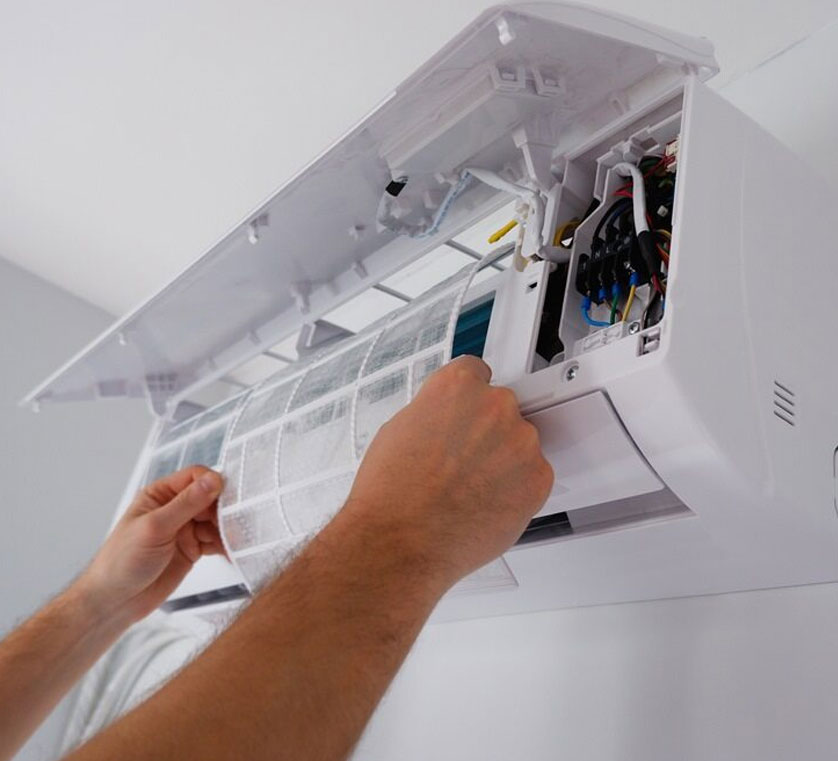
Always switch the unit off at the isolator before touching anything, and never open the indoor unit casing yourself. For a full professional checklist across all system types, see our air conditioner maintenance service.
DIY Mistakes We See
Where DIY Maintenance Goes Wrong
Most owners mean well, but a few common shortcuts end up costing more than a professional visit would have:
- Spray-can coil cleaners – off-the-shelf foam cleaners often leave residue in the coil and drain, which can cause blockages, leaks and smells.
- Pressure washing – a high-pressure hose bends the soft aluminium fins on the outdoor unit and forces water into electrical parts.
- Drying filters in hot sun – filters can warp and no longer seal, letting dust straight onto the coil.
- Running without filters – even for a day, it loads the coil with dust that is hard to remove.
- Re-gassing kits – handling refrigerant requires an ARCtick licence in Australia, and topping up hides the real problem, which is a leak.
If you have tried any of these, it is not a disaster. Let us know at the start of the visit and we will check for damage before it becomes a repair.
Our Side Of The Job
What Professional Split System Air Conditioner Maintenance Includes
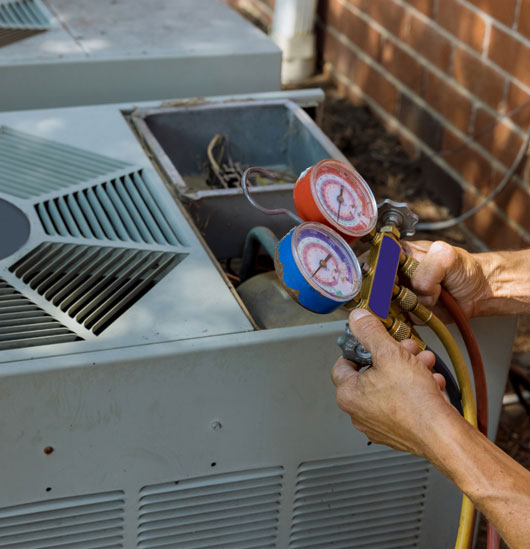
When we visit, our split system air conditioner maintenance covers the tasks you should not attempt yourself:
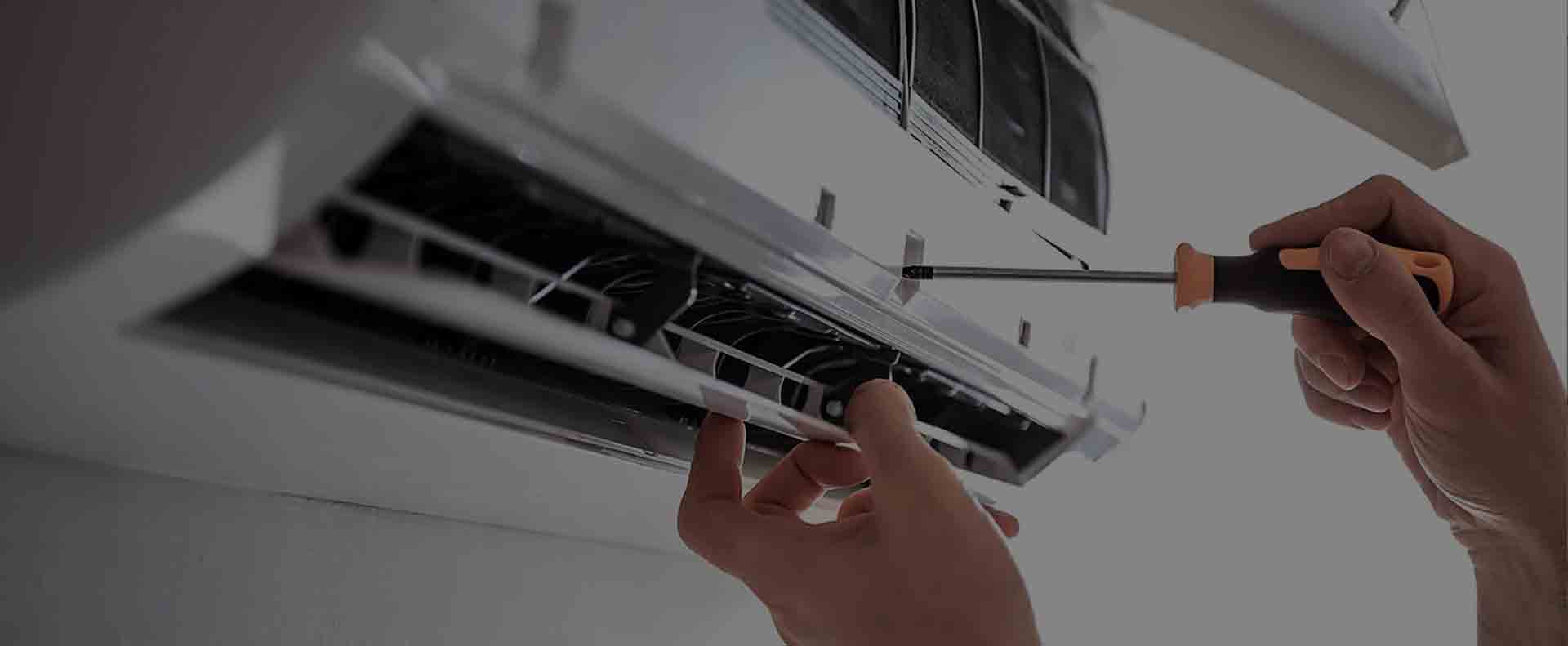
- Indoor unit strip-down – covers removed to reach the coil, fan barrel and drain tray safely.
- Coil and fan barrel clean – build-up removed with the right products, rinsed without wetting electrics.
- Drain and tray flush – condensate line cleared and tested so water flows away freely.
- Outdoor unit service – condenser fins combed and cleaned, fan and mountings checked.
- Refrigerant and electrical checks – pressures, temperatures and terminals tested by licensed technicians.
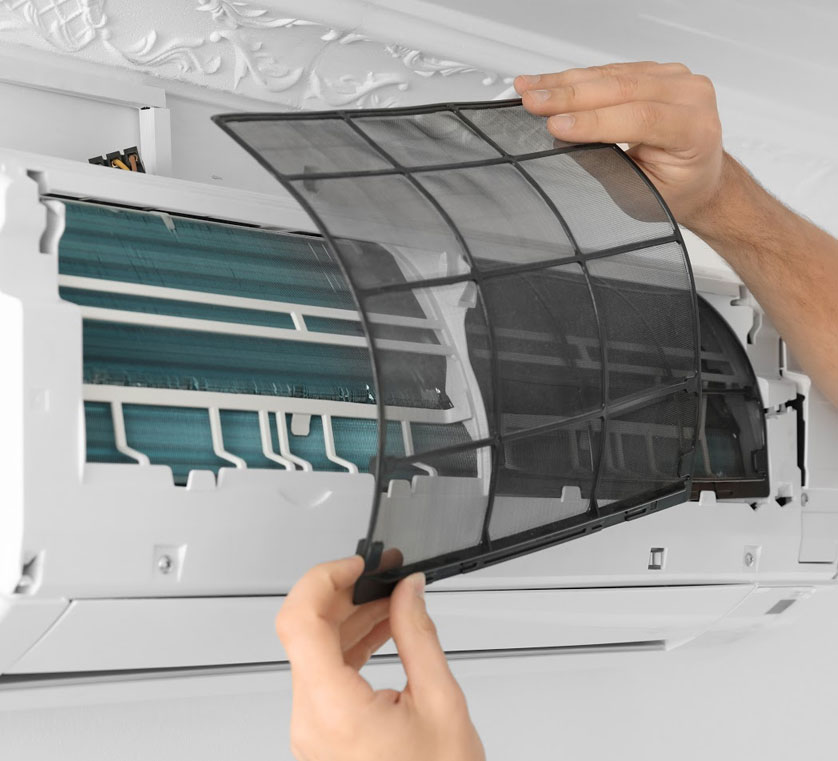
- Owner tips for your unit – we show you how to remove and refit your filters correctly.
Professional Visit Costs
How Much Does Split System Air Conditioner Maintenance Cost?
A professional maintenance visit usually costs about $130–$250 per split unit. Keeping up with your own filter cleaning between visits often keeps the cost at the lower end, because the coil and fan are in better condition.
| Price driver | How it affects the cost |
|---|---|
| Filter care between visits | Clean filters mean less build-up for us to remove |
| Unit condition | Mould or heavy grime may need a deep clean |
| Access | High-set or roof-mounted units take more time |
| Number of units | Several units in one visit lowers the cost per unit |
| Repairs found | Any repair is quoted separately before we start |
Our Maintenance Visit
How a Professional Maintenance Visit Works
A professional visit picks up where your own care leaves off:
- Quick chat on arrival – you tell us what you have noticed and what you have been doing at home.
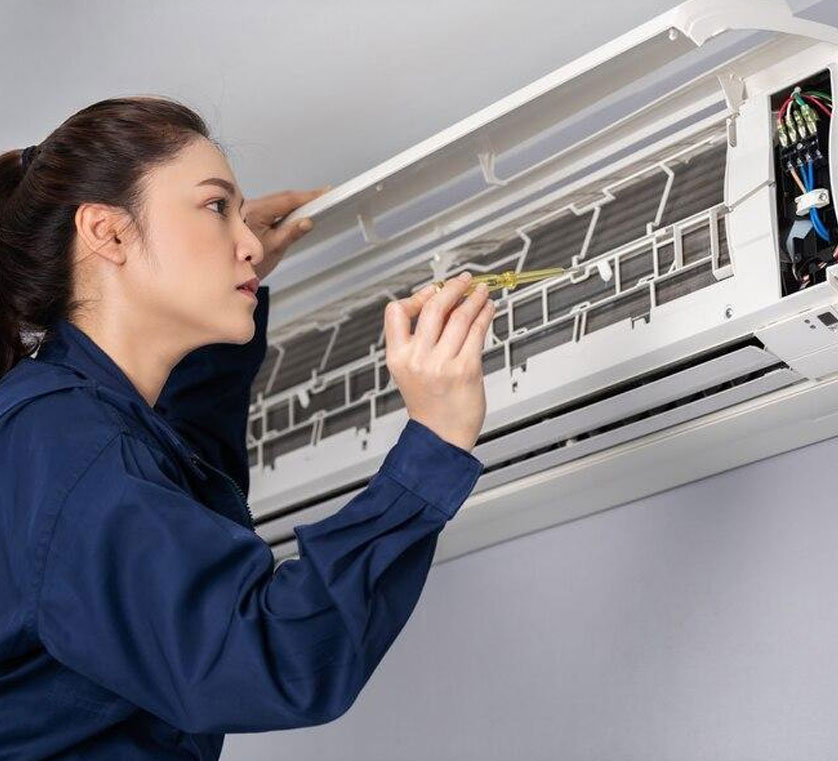
- Safe isolation – we switch off power at the isolator before opening any unit.
- Clean, check and test – indoor and outdoor units are cleaned, measured and tested in both modes.
- Your owner checklist – we explain what we found and what to keep an eye on until next time.
Safety And Warranty
Staying Safe and Protecting Your Warranty
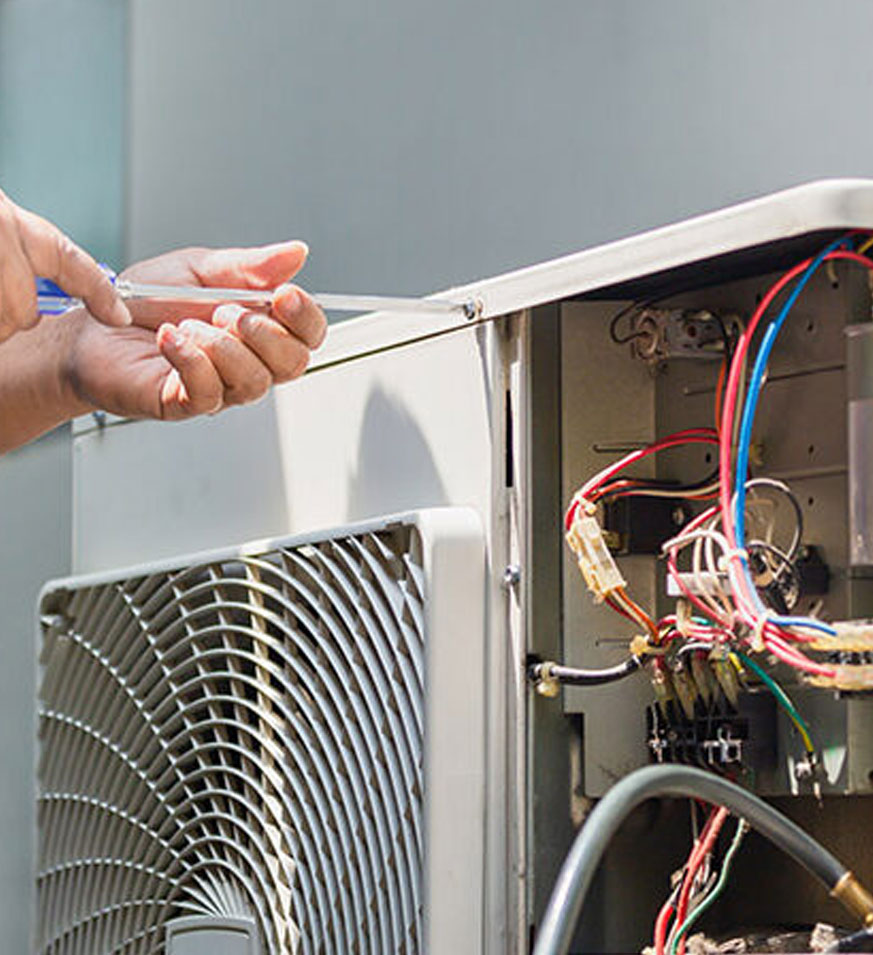
The main reason to leave internal work to a professional is safety. Split systems run on mains power and some components hold a charge after the unit is turned off. Refrigerant is under high pressure and, in Australia, can only be handled by someone with an ARCtick licence. Ladders and high wall units add a fall risk, especially in two-storey homes.
There is also your warranty to think about. Many manufacturers ask for regular servicing by a qualified technician, and damage caused by DIY work inside the unit may not be covered. Keeping a simple record – the dates you cleaned the filters and the dates of each professional visit – makes any future warranty conversation much easier.
The good news is that the owner tasks are where much of the day-to-day benefit comes from. Clean filters and a clear outdoor unit help the system run efficiently, and regular professional visits handle everything else.
Related Services
Other Help for Your Split System
If your unit needs more than routine maintenance, these services may help:
- Air conditioner maintenance
- Split system cleaning
- Split system repairs
- Split system servicing
- Air conditioning servicing
- Split system installation
For maintenance across every type of system, visit our air conditioner maintenance page.

Meeting Quality & Safety Requirements
You will have peace of mind because our team will ensure that all the professional work done for your home will meet the strictest quality and safety requirements set by our industry and the Australian Government.

Establishing A Single Point of Contact
You will have reduced stress because there will be one person you can get in touch with to discuss all aspects and help manage all the complexities of the professional work done for your home from start to finish.

Maintaining Transparent Communication
You will have full knowledge of work progress because we will maintain continuous and transparent communication throughout the process to provide you with consistent updates and effective issue resolutions.
Meeting Quality & Safety Requirements
You will have peace of mind because our team will ensure that all the professional work done for your home will meet the strictest quality and safety requirements set by our industry and the Australian Government.
Frequently Asked Questions About Split System Air Conditioner Maintenance
DIY and Professional Maintenance Questions
You can safely wash the filters, wipe the front cover, keep the outdoor unit clear of plants and rubbish, and watch for new noises, smells or drips. Always switch off at the isolator first. Split system air conditioner maintenance inside the unit should be left to a technician.
Every two to four weeks when the unit is used daily, and at least every couple of months otherwise. Homes with pets, nearby building work or dusty conditions may need to clean them more often.
Lift the front cover, slide the filters out, vacuum off loose dust and rinse them in lukewarm water. Let them dry in the shade, not direct sun, and refit them before turning the unit on.
We do not recommend it. Many foam cleaners leave residue that can block the drain and cause leaks or odours. A technician can clean the coil and rinse it properly.
No. Handling refrigerant in Australia requires an ARCtick licence, and a unit that needs gas usually has a leak that should be found and repaired.
As a rule of thumb, keep at least 50cm clear on the sides and back and more in front of the fan. Check your manufacturer's guide, as some models need more.
Cleaning filters will not. Opening the unit, using harsh chemicals or attempting refrigerant work can cause damage that a manufacturer may not cover.
Call us if the unit leaks water, smells musty, makes new noises, blows warm air on cool mode or trips the power. Otherwise, book professional maintenance at least once a year.
Why Greenarmy Services is Your #1 Choice

Proven Top-Tier Quality At Affordable Rates
You will have experts tested and proven by countless homeowners in Western Australia to deliver a wide range of the highest quality services with unmatched quality and reliability delivered at rates that won’t break the bank!

Highly Skilled & Certified Technicians
You will have fully certified, licenced, and insured technicians with decades of knowledge and expertise you can trust to ensure the safety, health, integrity, viability, and energy efficiency of your household for generations to come.

Impeccable Timing With Transparent Rates
You will have a wide range of impeccably precise and timed professional work done for your home at affordable rates that detail all material and labour costs for full disclosure and complete transparency with no hidden costs or charges.