
Ducted Heating for Perth Winters
Ducted Heating Installation Perth: Sized for Your Part of Town
A ducted system that suits a beachside home in City Beach can be undersized for a house in Mount Helena. Perth winters vary more than people expect: the hills see frost and near-zero mornings, coastal suburbs stay milder but damp, and the inland and northern suburbs can drop to low single figures overnight.
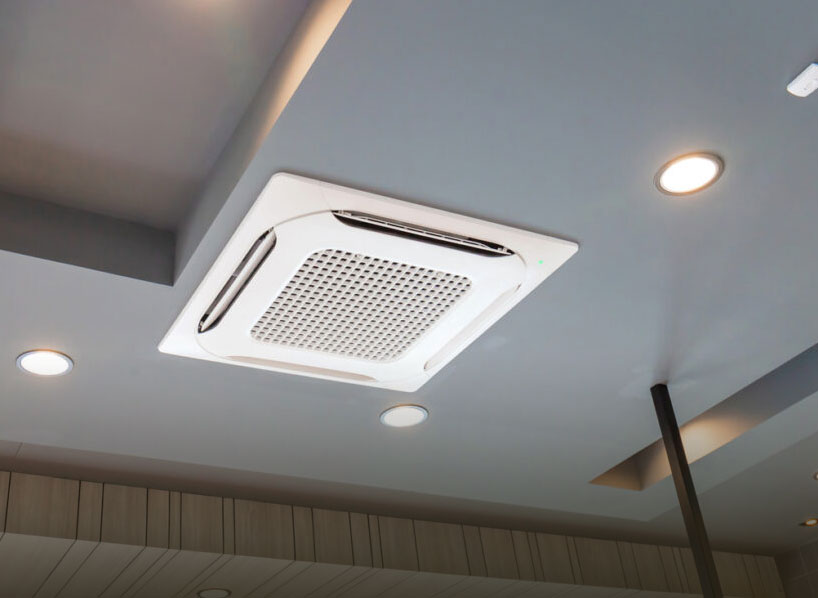
Our ducted heating installation Perth service sizes ducted reverse-cycle systems for where you live, not just floor area. We factor in local winter lows, how exposed the house is, its orientation and its insulation, then design zones so the rooms that run cold get the attention they need. The same ducted system keeps the house cool through summer.
Perth Winters by Region
How Cold Does Your Part of Perth Get in Winter?
Winter conditions change noticeably between the coast, the suburbs and the hills. Here is how that affects ducted heating design:
| Area | Typical winter conditions | What it means for ducted heating |
|---|---|---|
| Perth Hills (e.g. Mount Helena, Kalamunda) | Frosty mornings and near-zero overnight lows | More capacity, good roof insulation and pre-heating on a timer |
| Coastal (e.g. City Beach, Cottesloe, Fremantle) | Milder but damp, with winter fronts off the ocean | Moderate capacity; outlets aimed at large glass areas |
| Northern and outer suburbs (e.g. Wanneroo, Ellenbrook, Baldivis) | Cold, clear nights away from the coast | Size for cold mornings; zone bedrooms for overnight heating |
| Inner and river suburbs (e.g. South Perth, Nedlands) | Moderate, with cool damp evenings | Standard sizing, with zones matched to evening use |
These are general patterns – insulation, glazing and exposure matter just as much. Our main heating system installation page covers every system we install.
Local Challenges
Hills Frost, Coastal Damp and Cold Inland Nights
Each part of Perth brings its own installation considerations:
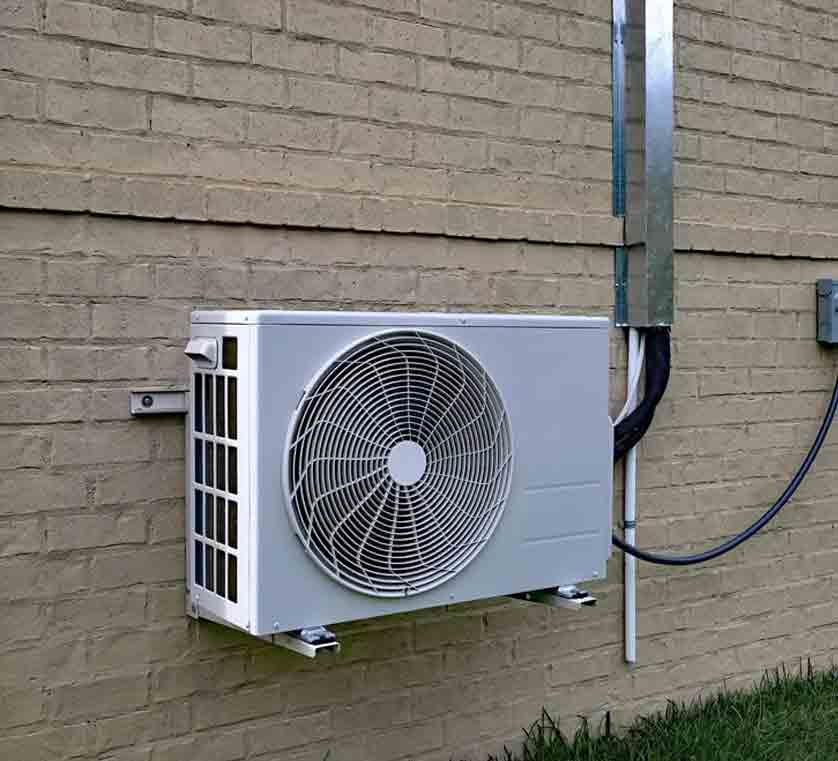
- Hills homes – colder air means the outdoor unit runs defrost cycles more often. We site it away from frost-prone low spots where possible, raise it off the ground and allow for extra capacity.
- Coastal homes – damp winter air and salt spray are hard on outdoor units. We position units out of direct sea exposure where possible and can recommend models with corrosion protection.
- Inland and northern suburbs – clear winter nights can be several degrees colder than the coast, so morning warm-up and bedroom zoning matter most.
- Older homes anywhere – thin ceiling insulation lets heat escape through the roof; a top-up can make more difference than a bigger unit.
We assess these factors at the in-home visit so the system copes with your coldest mornings, not an average day.
Everything Taken Care Of
What Your Ducted Heating Installation in Perth Includes
Every ducted heating installation in Perth we complete includes:
- Local heat-load calculation – sizing that accounts for your area’s winter lows, exposure and insulation
- Outdoor unit siting – positioned for airflow, defrost drainage and protection from salt air or frost
- Zone design for your layout – zones grouped by how rooms are used and which side of the house they face
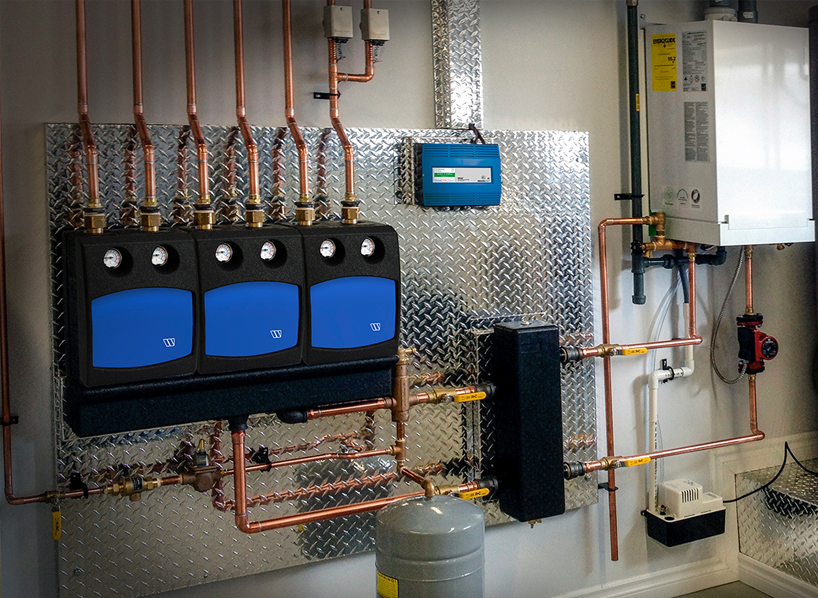
- Insulated, sealed ductwork – to limit heat loss through the roof space on cold nights
- Licensed electrical connection – a dedicated circuit and isolator installed by a licensed electrician
- Winter set-up – timers and zone schedules programmed for your household before we leave
Perth Pricing Guide
How Much Does Ducted Heating Installation Cost in Perth?
Across Perth, ducted reverse-cycle heating installation typically costs $9,000–$20,000+, and most 3–4 bedroom homes sit between $11,000 and $16,000. Zoning adds about $1,000–$3,000. Homes in colder or exposed hills locations sometimes need a step up in capacity, which adds to the price.
| Price driver | How it affects the cost |
|---|---|
| Location and exposure | Hills and exposed sites may need a larger unit |
| Home size | More floor area means more outlets and ductwork |
| Number of zones | Each extra zone adds dampers, wiring and set-up |
| Insulation | Poorly insulated homes may need extra capacity or an insulation top-up |
| Outdoor unit protection | Corrosion-protected models or raised stands add cost |
Our Process
Four Steps to Ducted Heating in Your Perth Home
We tailor every ducted heating job to your location in four steps:
- Local assessment – we visit and note orientation, exposure, insulation and roof access
- Design and quote – we size the unit for your area’s winter lows, lay out outlets and zones and give you an itemised quote
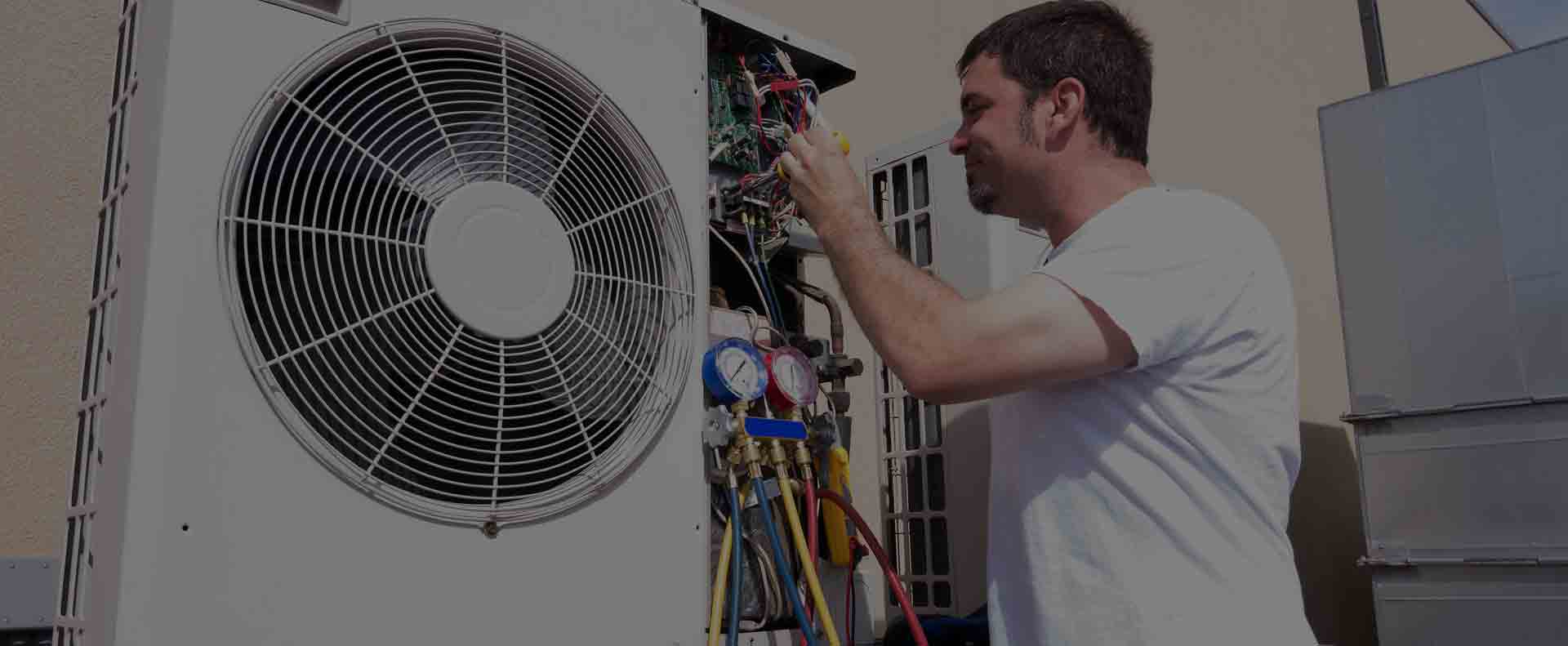
- Installation – ducts, outlets and indoor and outdoor units installed, with power connected by a licensed electrician
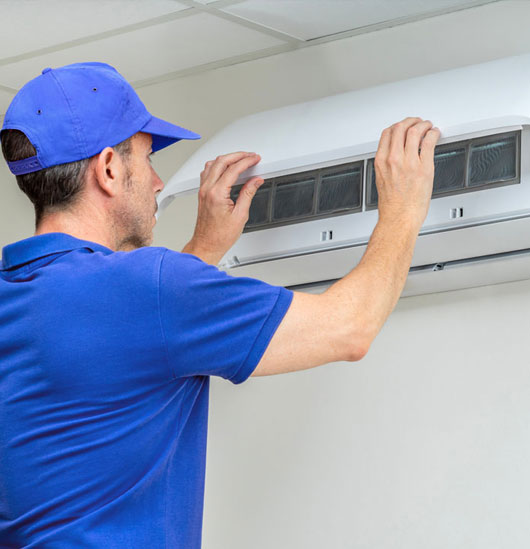
- Winter testing and handover – we test every zone in heat mode and set schedules for your mornings and evenings
Zoning for Perth Homes
Zoning Your Ducted Heating by Orientation and Storey
Zoning is usually explained as living areas versus bedrooms, but in Perth homes the direction rooms face and the number of storeys matter too:
- North-facing living areas – these catch the winter sun and often need little heating during the day, so keep them on their own zone.
- South-facing bedrooms – these get no winter sun and run cold, so they benefit from a dedicated zone and well-sized outlets.
- Two-storey homes – warm air rises, so upstairs and downstairs are best zoned separately, with downstairs often needing more heat.
- Rooms with large glass areas – open-plan spaces with sliding doors lose heat quickly; heavy curtains help as much as extra outlets.
A well-zoned system lets you heat only what is needed and lets the winter sun do some of the work.
Areas We Cover
Ducted Heating Across Perth, From the Coast to the Hills
We install ducted heating in every part of Perth, including:
- Mount Helena
- Midland
- Ellenbrook
- Wanneroo
- Joondalup
- Baldivis
- City Beach
- Cottesloe
- Fremantle
- Mandurah
- South Perth
- Nedlands
See all areas on our heating system installation Perth page, or visit our main heating system installation page.
Meeting Quality & Safety Requirements
You will have peace of mind because our team will ensure that all the professional work done for your home will meet the strictest quality and safety requirements set by our industry and the Australian Government.
Establishing A Single Point of Contact
You will have reduced stress because there will be one person you can get in touch with to discuss all aspects and help manage all the complexities of the professional work done for your home from start to finish.
Maintaining Transparent Communication
You will have full knowledge of work progress because we will maintain continuous and transparent communication throughout the process to provide you with consistent updates and effective issue resolutions.
Meeting Quality & Safety Requirements
You will have peace of mind because our team will ensure that all the professional work done for your home will meet the strictest quality and safety requirements set by our industry and the Australian Government.
Frequently Asked Questions About Ducted Heating Installation in Perth
Perth Winter Heating Questions
Yes. A ducted heating installation in the Perth hills needs to cope with frosty, near-zero mornings, so we often allow for more capacity, site the outdoor unit carefully and check roof insulation.
Yes. Inverter reverse-cycle units keep heating in near-freezing conditions, pausing briefly to defrost the outdoor coil when needed. Correct sizing keeps warm-up times reasonable.
Salt air can corrode outdoor units over time. We site units away from direct sea exposure where possible, can suggest corrosion-protected models and recommend regular servicing.
Typically living areas and bedrooms, but in Perth homes it often helps to separate south-facing bedrooms, north-facing living areas, and upstairs and downstairs levels.
It depends on the system, insulation and outside temperature. Setting the timer to start around half an hour before you get up means the zone is warm when you need it.
As a guide only, $9,000–$20,000+, with most 3–4 bedroom Perth homes at $11,000–$16,000. Zoning adds about $1,000–$3,000.
If your ceiling insulation is thin or missing, topping it up can reduce the system size you need and lower running costs. We will point it out at the inspection.
Yes. We cover the Perth metro area, including the hills, the northern corridor and the southern suburbs through to Mandurah.
Why Greenarmy Services is Your #1 Choice

Proven Top-Tier Quality At Affordable Rates
You will have experts tested and proven by countless homeowners in Western Australia to deliver a wide range of the highest quality services with unmatched quality and reliability delivered at rates that won’t break the bank!

Highly Skilled & Certified Technicians
You will have fully certified, licenced, and insured technicians with decades of knowledge and expertise you can trust to ensure the safety, health, integrity, viability, and energy efficiency of your household for generations to come.

Impeccable Timing With Transparent Rates
You will have a wide range of impeccably precise and timed professional work done for your home at affordable rates that detail all material and labour costs for full disclosure and complete transparency with no hidden costs or charges.