
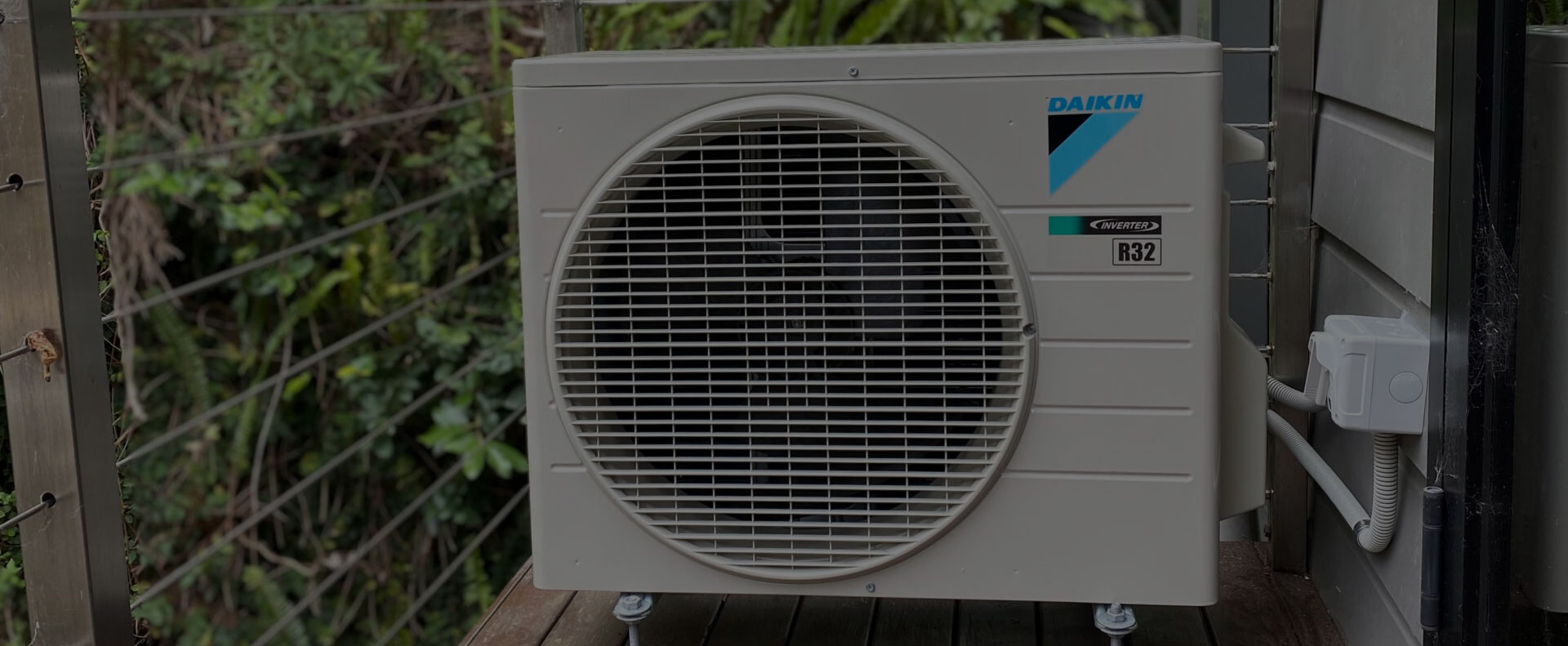

Choosing Your Air Conditioner
Split System Air Conditioner Installation Starts With the Right Unit
Walk into any appliance store and you will find dozens of split systems that look almost identical. The differences are in capacity, efficiency, noise, features and after-sales support, and picking the wrong one can mean a unit that struggles on hot days or costs more to run than it should.
Our split system air conditioner installation service starts with helping you choose. We look at the room size, sun, insulation and how you will use it, then recommend a capacity and a short list of suitable models. Once you have decided, we supply the unit and install it properly, or install a unit you have already bought.
Sizing Guide
What Size Split System Air Conditioner Do You Need?
Capacity is measured in kilowatts (kW). Too small and the unit runs flat out without keeping up; too big and it cycles on and off, wasting power and leaving the room clammy. As a rough guide:
| Room | Typical cooling capacity |
|---|---|
| Small bedroom or study | 2.0–2.5 kW |
| Large bedroom or small living room | 3.5 kW |
| Medium living or open-plan area | 5.0–6.0 kW |
| Large open-plan living | 7.0–8.0 kW |
| Very large or poorly insulated space | 8.0 kW+ or multiple units |
Ceiling height, west-facing glass and insulation can push the size up or down, so we confirm it on site. Find out more about our full split system air conditioning installation service.
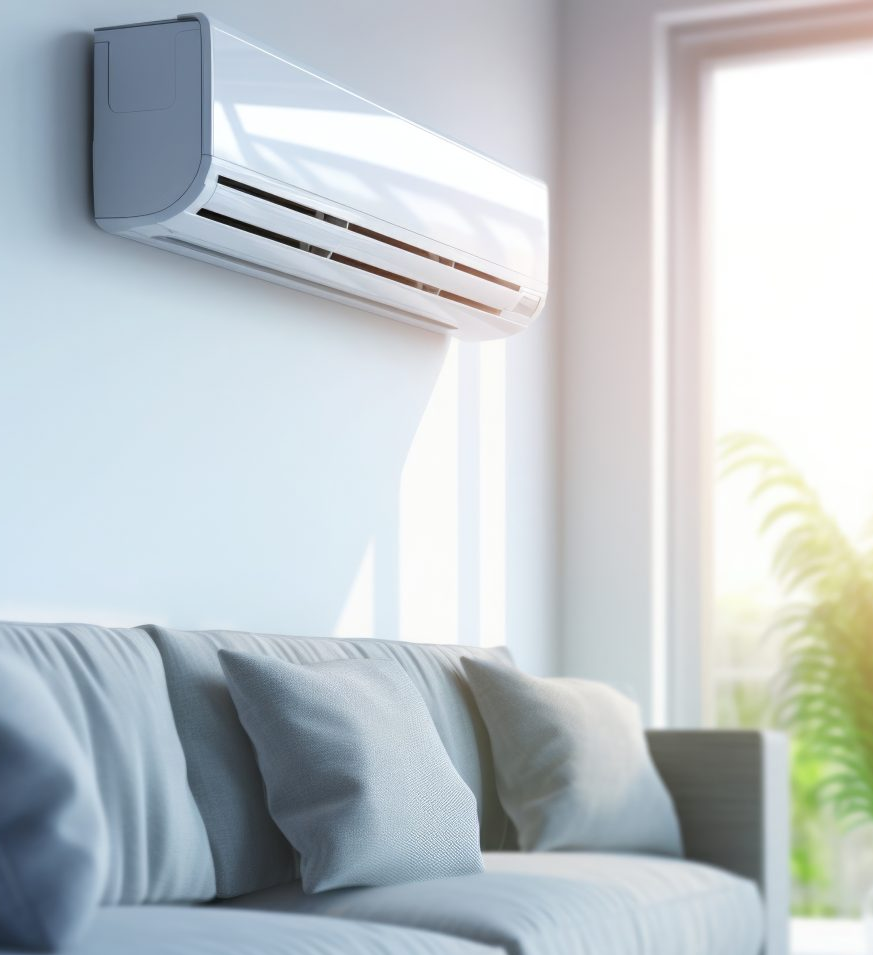
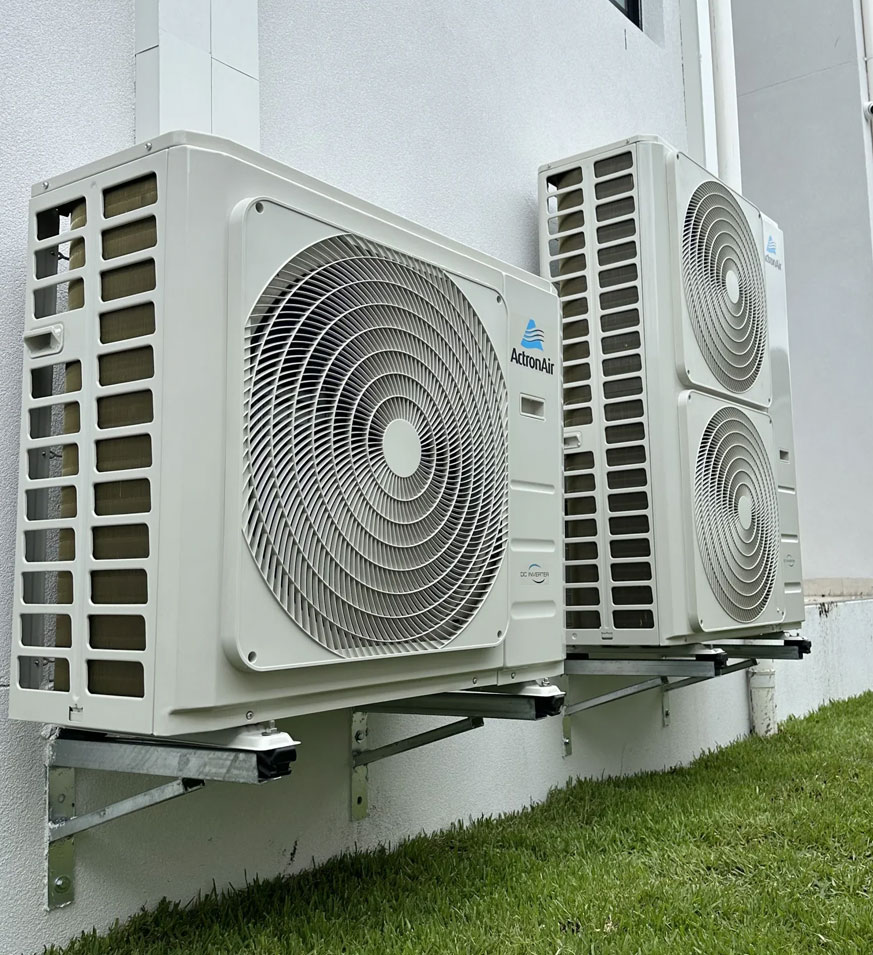
Brands And Features
Comparing Brands, Inverter Technology and Smart Features
We can supply and install units from leading manufacturers such as Daikin, Mitsubishi Electric, Fujitsu and Panasonic, and give you an honest view of the trade-offs. When comparing models, look at:
- Inverter compressor – virtually all quality splits are now inverter models, which ramp up and down smoothly instead of switching on and off, saving power and reducing noise.
- Energy rating – check the star rating for both cooling and heating, and compare annual energy use.
- Wi-Fi control – built in or available as an add-on, so you can switch the unit on before you get home.
- Filters – washable dust filters are standard; some models add finer filtration that may help allergy sufferers.
- Indoor noise level – important for bedrooms; check the quietest fan setting in decibels.
Features are worth paying for only if you will use them, and we will tell you when a cheaper model will do the job.
Supply And Install
What Your Split System Air Conditioner Installation Includes
When you choose a unit through us, the package typically includes:
- Model selection – a short list of suitable units with sizes, features and running costs explained.
- Supply of a new unit – delivered to site with its installation kit, or installation of a new unit you have bought.
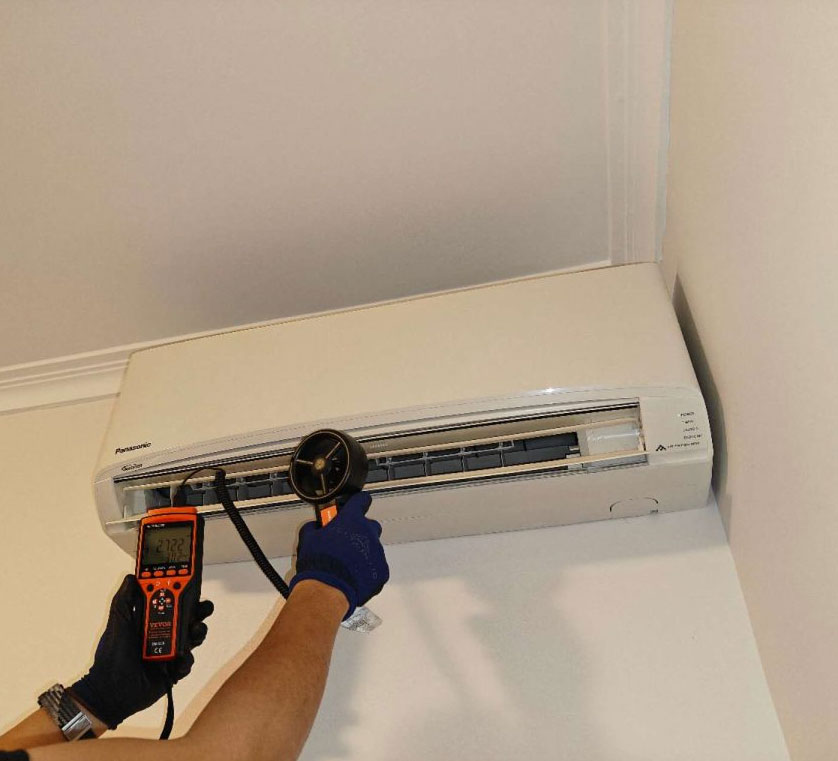
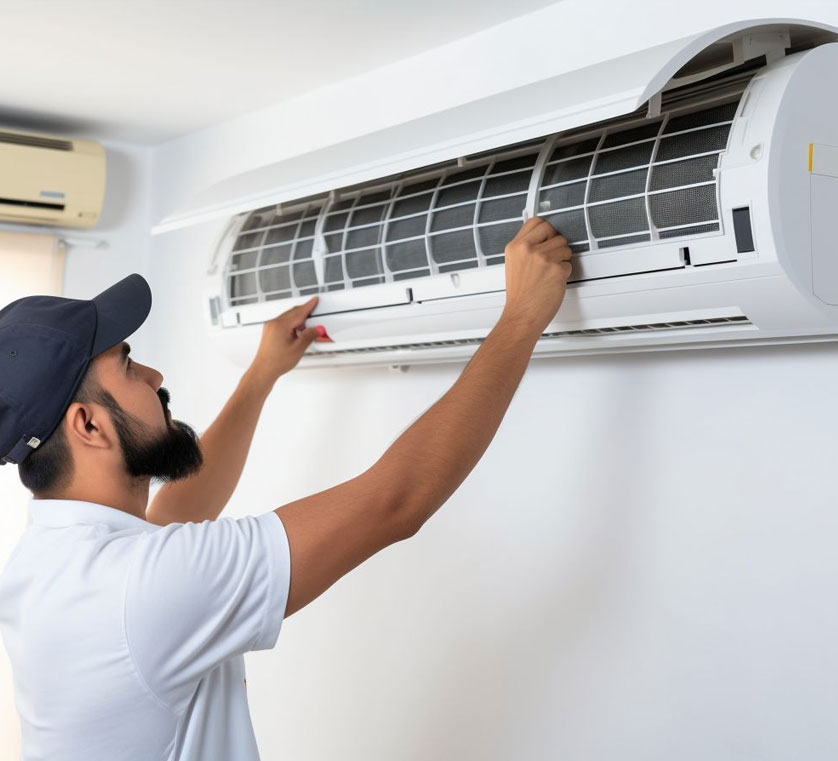
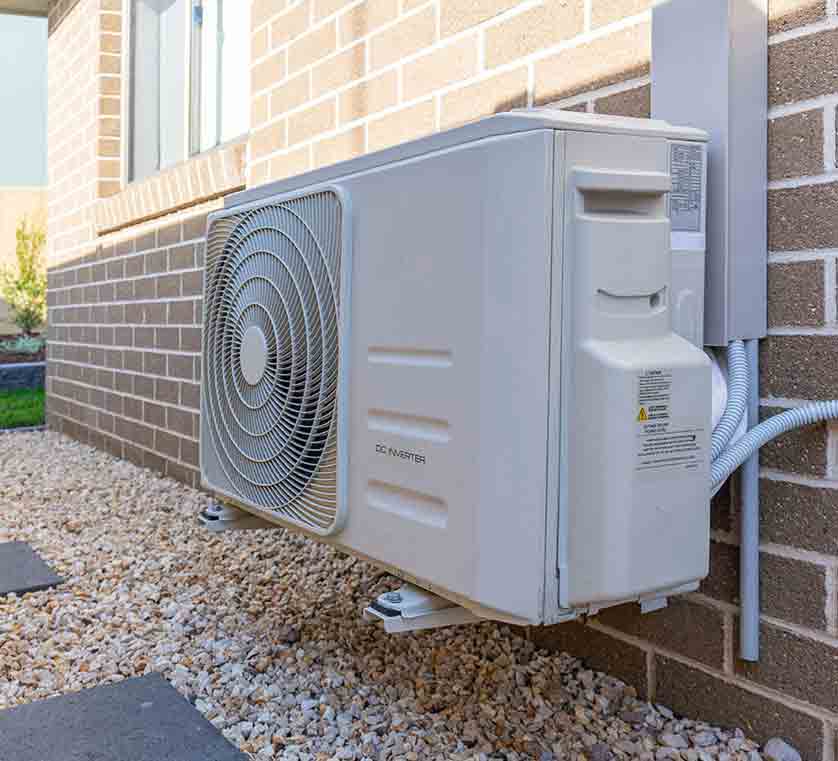
- Professional installation – mounting, pipework, drainage and power connected to manufacturer requirements.
- Smart setup – Wi-Fi models connected to your home network and the app set up on your phone where available.
- Commissioning – cooling and heating tested, and settings adjusted for the room.
- Warranty paperwork – product warranty details handed over so you know who to call.
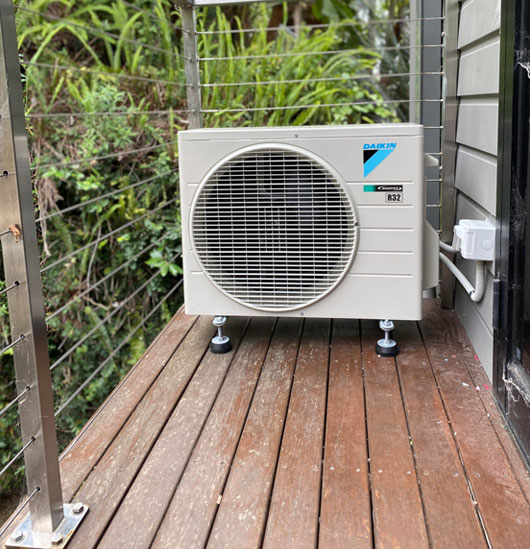
Pricing Guide
How Much Does a Split System Air Conditioner Installation Cost?
For supply and installation of one split system air conditioner, most homes spend about $1,800–$4,500. The unit itself is the biggest variable, so choosing the right size and features matters.
| Price driver | How it affects the cost |
|---|---|
| Capacity (kW) | A 7–8 kW living-room unit costs more than a 2.5 kW bedroom unit |
| Brand and range | Premium ranges cost more but may be quieter and more efficient |
| Features | Built-in Wi-Fi, better filters and design finishes add to the price |
| Installation complexity | Long pipe runs, high walls and electrical upgrades add labour |
| Install only | If you supply the unit, back-to-back installs start from about $650 |
How We Work
From Choosing a Model to a Working Air Conditioner
Choosing and installing your new air conditioner takes four simple steps:
- Room assessment – we measure the space, check sun and insulation and work out the right capacity.
- Model recommendation – you get a short list of suitable units with prices, so you can compare like for like.
- Supply and installation – we deliver the chosen unit and install it neatly to manufacturer requirements.
- Setup and handover – we test the system, set up Wi-Fi where available and explain the remote and filters.
Running Costs
Running Costs, Efficiency and Getting Value From Your Unit
The purchase price is only part of the story. A unit that is correctly sized and well rated can cost noticeably less to run over its life than a cheaper, less efficient model.
A few ways to keep running costs down:
- Pick the right size – an undersized unit runs at full power for hours on hot days.
- Compare energy ratings and annual kWh figures, not just the price tag.
- Set cooling to around 24–25°C and heating to around 18–21°C.
- Use timers or Wi-Fi to avoid cooling an empty house.
- Clean the filters regularly so airflow stays strong.
If you have solar panels, running your air conditioner during the day can make good use of your own power. We are happy to talk through how this fits your household.
Related Services
Other Air Conditioning Services We Offer
Whichever unit you choose, we can help look after it for years to come:
- Split system servicing
- Split system cleaning
- Split system repairs
- Air conditioning servicing
- Air conditioning installations
- Replacing an old air conditioner
- Residential air conditioning
- Ducted air conditioning installation
Prefer to see every option in one place? Visit our split system installation page.
Meeting Quality & Safety Requirements
You will have peace of mind because our team will ensure that all the professional work done for your home will meet the strictest quality and safety requirements set by our industry and the Australian Government.

Establishing A Single Point of Contact
You will have reduced stress because there will be one person you can get in touch with to discuss all aspects and help manage all the complexities of the professional work done for your home from start to finish.
Maintaining Transparent Communication
You will have full knowledge of work progress because we will maintain continuous and transparent communication throughout the process to provide you with consistent updates and effective issue resolutions.
Meeting Quality & Safety Requirements
You will have peace of mind because our team will ensure that all the professional work done for your home will meet the strictest quality and safety requirements set by our industry and the Australian Government.
Frequently Asked Questions About Split System Air Conditioner Installation
Choosing Your Split System Air Conditioner
There is no single best brand. Daikin, Mitsubishi Electric, Fujitsu and Panasonic all make reliable units. For a split system air conditioner installation we compare models on capacity, efficiency, noise and price for your room.
Kilowatts (kW) describe how much heating or cooling the unit can deliver, not how much power it uses. Bigger rooms need a higher capacity unit.
Yes. Inverter units adjust their speed to match the room, which saves energy, reduces noise and keeps temperatures steadier. Almost all quality splits sold today are inverter models.
Not essential, but handy. Wi-Fi lets you turn the unit on before you arrive home, set schedules and check it remotely. Some models include it, others offer it as an add-on.
Every split has washable dust filters, and some models add finer filtration. They can help reduce airborne dust, but filters must be cleaned regularly to work well.
Yes. We can install a new unit you have bought, as long as it suits the room and includes its installation kit. We check the model and capacity before installation day.
Reverse-cycle splits are among the most efficient ways to heat a room, because they move heat rather than generate it. Check the heating star rating when comparing models.
With regular cleaning and servicing, a quality split system air conditioner often lasts 10–15 years. Correct sizing and a good installation help it reach the upper end of that range.
Why Greenarmy Services is Your #1 Choice

Proven Top-Tier Quality At Affordable Rates
You will have experts tested and proven by countless homeowners in Western Australia to deliver a wide range of the highest quality services with unmatched quality and reliability delivered at rates that won’t break the bank!

Highly Skilled & Certified Technicians
You will have fully certified, licenced, and insured technicians with decades of knowledge and expertise you can trust to ensure the safety, health, integrity, viability, and energy efficiency of your household for generations to come.

Impeccable Timing With Transparent Rates
You will have a wide range of impeccably precise and timed professional work done for your home at affordable rates that detail all material and labour costs for full disclosure and complete transparency with no hidden costs or charges.