
Coastal And Dusty Conditions
Split System Air Conditioning Maintenance in Perth for Salt Air and Dust
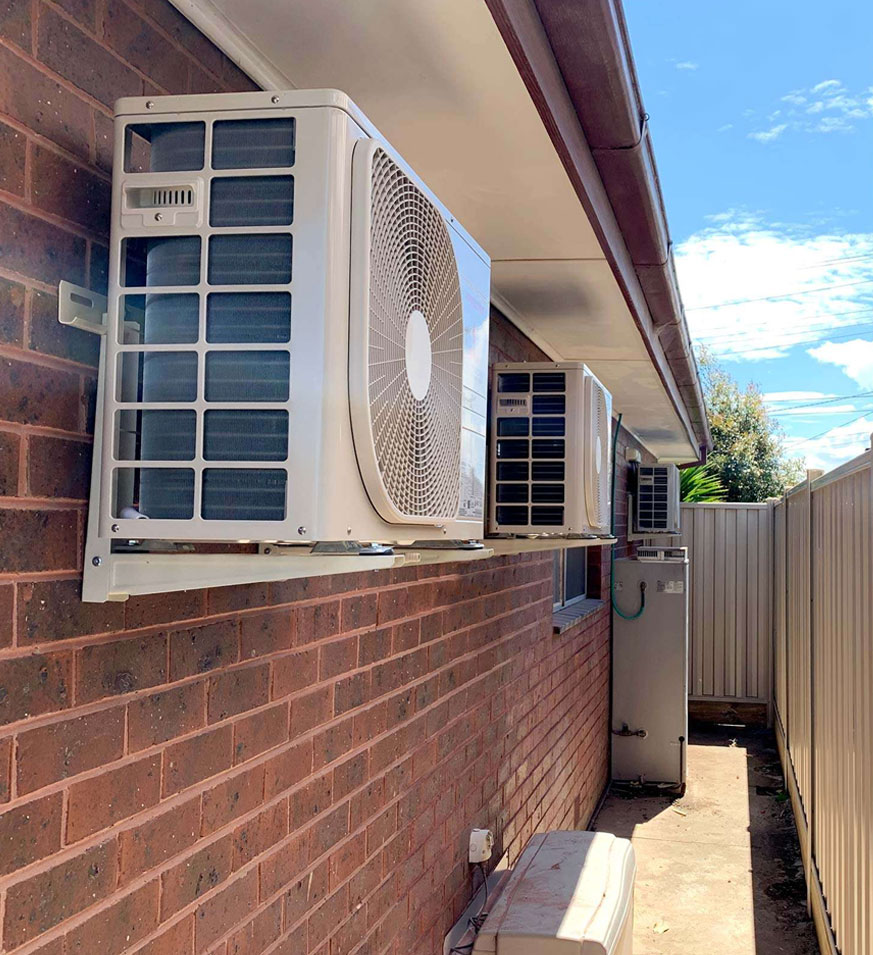
Perth is hard on outdoor units. Along the coast, the afternoon sea breeze carries a fine salt mist that settles on condenser fins and slowly eats into aluminium, copper and steel. Inland, hot easterly winds, building sites and sandy soils coat the same fins with dust and grit. Either way, the outdoor coil gradually loses its ability to shed heat, and the unit works harder every summer.
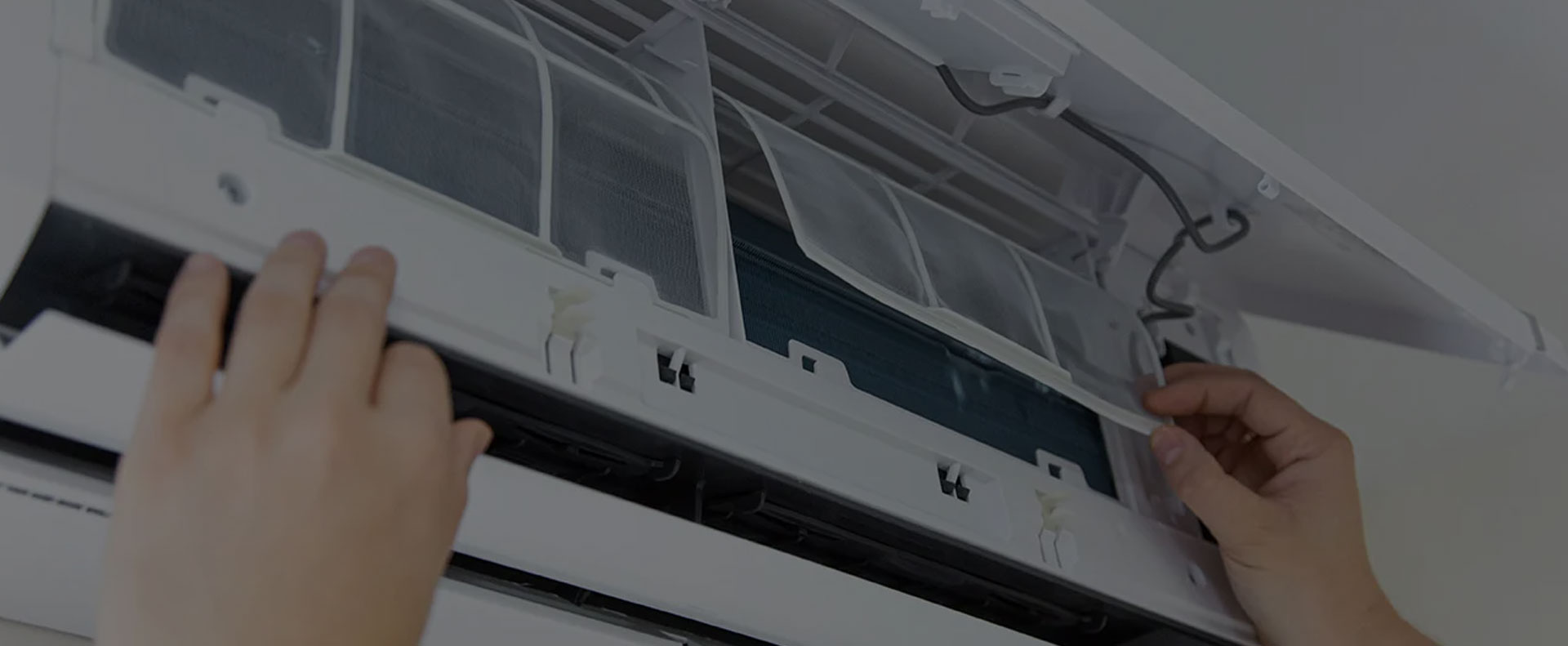
Our split system air conditioning maintenance in Perth is built around those conditions. As well as the usual indoor clean, we spend time on the outdoor unit: rinsing salt and dust from the coil, checking fins and fasteners for corrosion and making sure the casing and mounts are sound. Caught early, most of this is simple to manage. Left for years, it often ends in a failed coil or fan motor.
How Perth Conditions Affect Your Unit
Salt Air vs Dust: What Each Does to a Split System
Coastal and inland homes face different problems, so we adjust the maintenance to suit:
| Condition | What it does and what we do |
|---|---|
| Salt spray within a few kilometres of the coast | Corrodes fins, screws and coil joints; we rinse the coil and check for pitting and white corrosion |
| Beachfront and high-rise balconies | Faster corrosion and wind-blown sand; more frequent outdoor coil care is recommended |
| Dust from easterlies and sandy blocks | Clogs condenser fins and filters; we clean the coil and straighten bent fins |
| Nearby building sites or new estates | Fine dust loads filters quickly; we check filters and coils more often |
| Hills smoke and ash in summer | Coats coils and filters with residue; cleaned before it causes odours |
Not sure which applies to you? Our air conditioner maintenance team will assess your outdoor unit’s exposure on the first visit.
Corrosion Protection
Protecting Outdoor Coils From Salt Corrosion
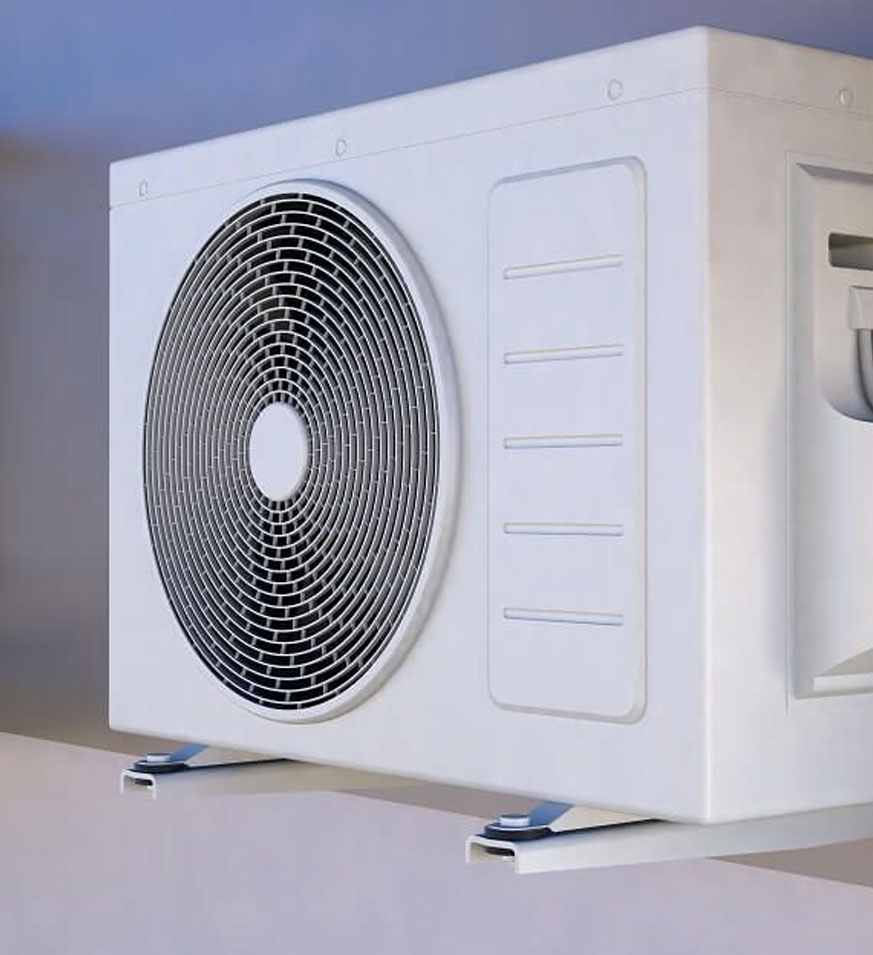
Corrosion is the main reason coastal splits fail early. The signs start small – white powder on the fins, rust spots on screws or the casing, or fins that crumble when touched – and get worse every year the salt is left in place.
What helps most:
- Regular low-pressure rinsing of the outdoor coil to remove salt before it bonds to the metal.
- Inspection of coil joints and pipework, where corrosion can turn into a refrigerant leak.
- Checking fasteners, brackets and the casing, so a corroded mount does not let the unit sag or fall.
- Siting and shelter advice, as a unit tucked out of the direct sea breeze usually lasts longer.
- Coastal-rated equipment when it is time to replace, as some models offer coated coils for salty sites.
For beachside homes, we usually recommend outdoor coil care every six months rather than once a year.
Coastal And Dust Visit
What Split System Air Conditioning Maintenance in Perth Includes
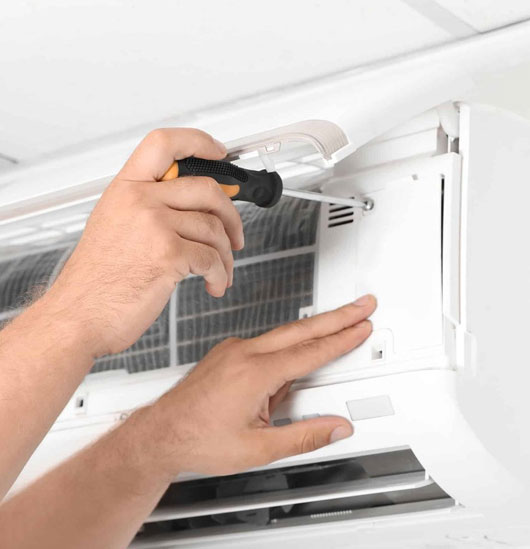
Every visit covers the indoor unit, with extra attention on the outdoor side where Perth conditions do the most damage:
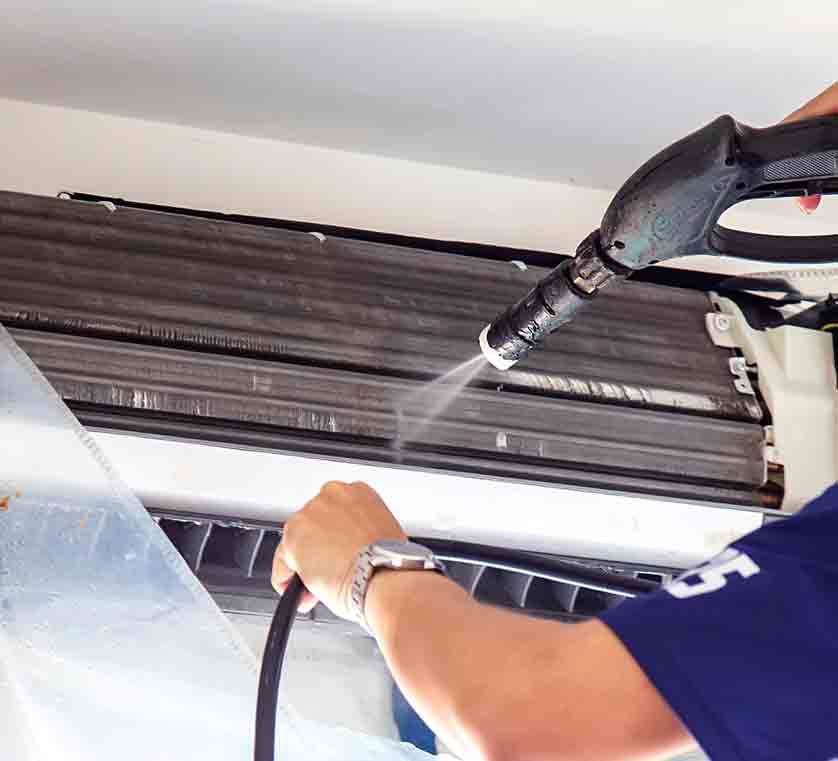
- Outdoor coil rinse and clean – salt and dust removed with low pressure so fins are not damaged.
- Corrosion inspection – fins, coil joints, screws, casing and brackets checked for early corrosion.
- Fin straightening – bent fins combed straight to restore airflow.
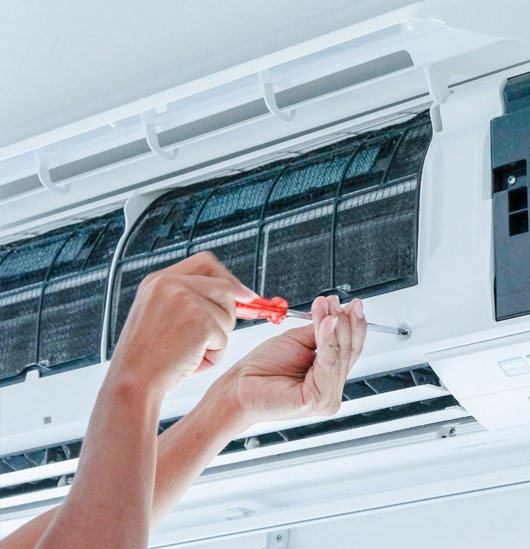
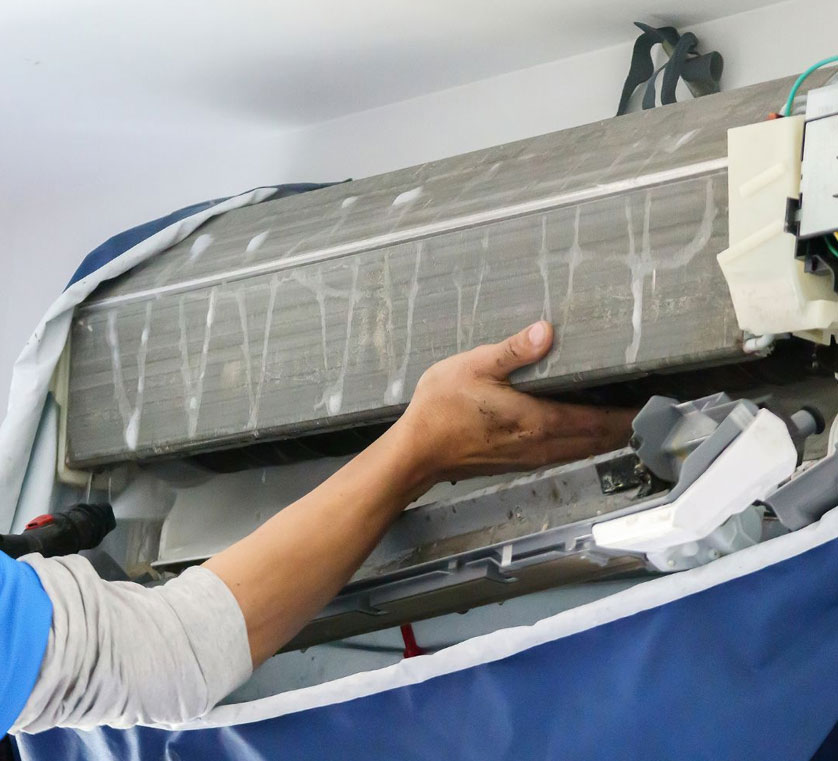
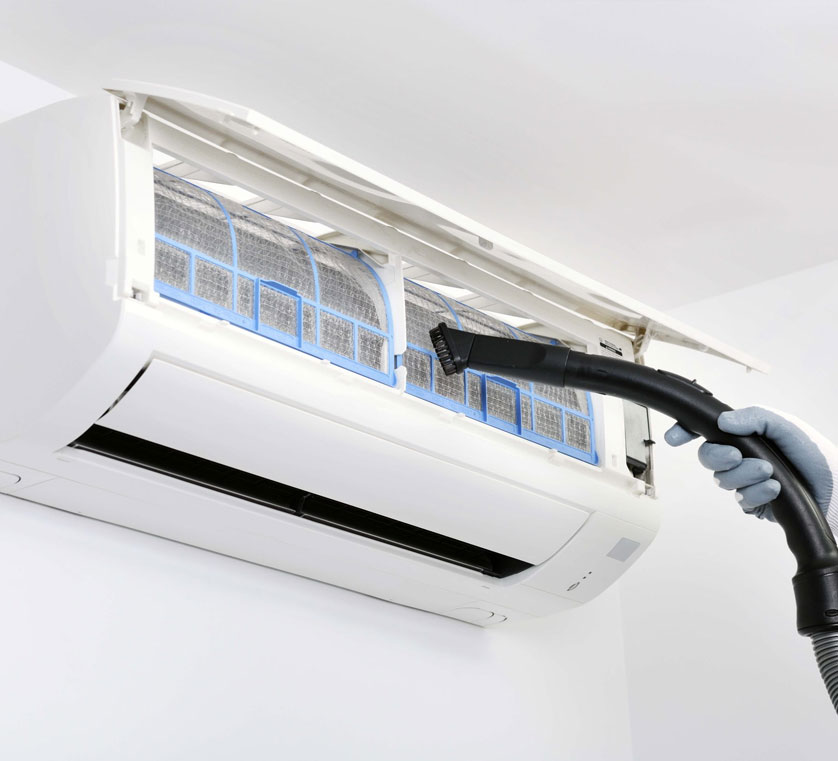
- Indoor filter and coil clean – dust, sand and smoke residue removed from the indoor unit.
- Drain and fan check – drain flushed and fans checked for grit and wear.
- Condition notes and photos – corrosion level recorded so we can track it over time.
Perth Pricing Guide
How Much Does Split System Air Conditioning Maintenance Cost in Perth?
Most Perth homes pay about $130–$250 per split unit for a maintenance visit. Coastal units with heavy salt build-up, or inland units clogged with dust, sit toward the upper end because the outdoor coil takes longer to clean.
| Price driver | How it affects the cost |
|---|---|
| Distance from the coast | Beachfront units usually need more outdoor coil work |
| Dust and sand load | Heavily clogged fins take longer to clean safely |
| Outdoor unit position | Balconies, roofs and high walls add time |
| Corrosion found | Repairs to brackets, fasteners or pipework are quoted separately |
| Number of units | Several units on one visit lower the per-unit price |
Our Coastal Care Process
How We Look After Units in Salty and Dusty Areas
Our process is the same whether you live near the beach or on a dusty inland block:
- Exposure check – we look at where the outdoor unit sits and how much salt or dust reaches it.
- Outdoor coil care – the coil is cleaned, rinsed and inspected for corrosion and damage.
- Indoor clean and test – filters, coil and drain are cleaned and the system is performance tested.
- Interval advice – we recommend how often your unit needs attention based on its exposure.
Coastal Homeowners
Living Near the Beach: Getting the Most From Your Split
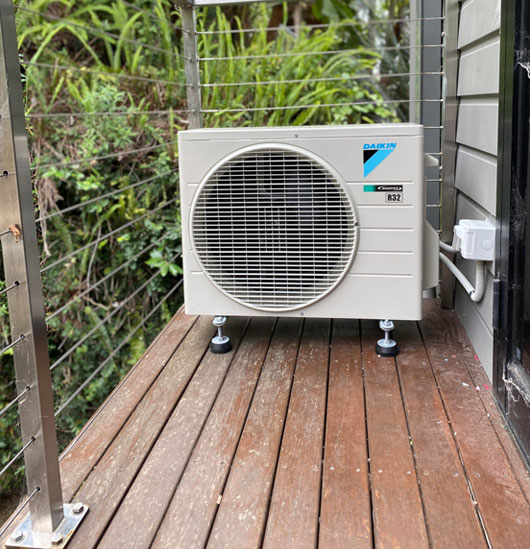
If you live within a few kilometres of the coast – from the northern beaches down to Mandurah – your outdoor unit will age faster than one in the eastern suburbs. That does not mean you need to avoid split systems, just that maintenance matters more.
A few practical habits make a real difference. After a stormy week, a gentle rinse of the outdoor unit with a garden hose (power off, no pressure nozzle) helps remove fresh salt. Keep plants and fences back so air can move freely and the unit dries out quickly. If you are on a balcony, check that the unit is not sitting in water after rain.
Inland homes have the opposite issue: dust rather than salt. Keep the area around the outdoor unit clear of sand and mulch, clean indoor filters more often during windy months, and book a coil clean after nearby building work. In both cases, regular professional maintenance catches corrosion and blockages before they lead to a failed coil.
Coastal And Dusty Areas We Cover
Split System Maintenance From the Coast to the Hills
We maintain split systems in coastal, inland and hills suburbs across Perth. Find local advice for your area:
- Cottesloe
- City Beach
- Fremantle
- East Fremantle
- Claremont
- Nedlands
- Joondalup
- Wanneroo
- Rockingham
- Baldivis
- Mandurah
- Ellenbrook
For maintenance across all system types, see our air conditioner maintenance page.

Meeting Quality & Safety Requirements
You will have peace of mind because our team will ensure that all the professional work done for your home will meet the strictest quality and safety requirements set by our industry and the Australian Government.

Establishing A Single Point of Contact
You will have reduced stress because there will be one person you can get in touch with to discuss all aspects and help manage all the complexities of the professional work done for your home from start to finish.

Maintaining Transparent Communication
You will have full knowledge of work progress because we will maintain continuous and transparent communication throughout the process to provide you with consistent updates and effective issue resolutions.
Meeting Quality & Safety Requirements
You will have peace of mind because our team will ensure that all the professional work done for your home will meet the strictest quality and safety requirements set by our industry and the Australian Government.
Frequently Asked Questions About Split System Air Conditioning Maintenance Perth
Salt Air, Dust and Corrosion Questions
Salt carried on the sea breeze settles on outdoor coils and corrodes fins, screws and pipe joints. Regular split system air conditioning maintenance in Perth coastal suburbs removes that salt before it causes permanent damage.
Units within a few kilometres of the coast are usually affected, and beachfront or high-rise balcony units the most. Exposure also depends on how sheltered the outdoor unit is.
White powder or crust on the fins, rust on screws or the casing, fins that flake or crumble, and a unit that struggles to cool on hot days.
Yes, gently. Turn the power off at the isolator, use a garden hose without a pressure nozzle and spray from the inside out where possible. Never use a pressure washer.
We generally recommend outdoor coil care every six months for beachside homes, and at least yearly for homes a little further back from the coast.
Dust does not corrode, but it clogs fins and filters, reducing airflow and making the unit run hotter and longer. Inland and new-estate homes often need more frequent filter cleaning.
Early surface corrosion can be cleaned and slowed. Once a coil is badly corroded or leaking, repair is often not worthwhile and replacement with a coastal-rated unit may be better value.
We cover coastal suburbs from Joondalup and City Beach through Cottesloe and Fremantle down to Rockingham and Mandurah, as well as inland and hills areas.
Why Greenarmy Services is Your #1 Choice

Proven Top-Tier Quality At Affordable Rates
You will have experts tested and proven by countless homeowners in Western Australia to deliver a wide range of the highest quality services with unmatched quality and reliability delivered at rates that won’t break the bank!

Highly Skilled & Certified Technicians
You will have fully certified, licenced, and insured technicians with decades of knowledge and expertise you can trust to ensure the safety, health, integrity, viability, and energy efficiency of your household for generations to come.

Impeccable Timing With Transparent Rates
You will have a wide range of impeccably precise and timed professional work done for your home at affordable rates that detail all material and labour costs for full disclosure and complete transparency with no hidden costs or charges.